Small everyday actions can strengthen older adults’ independence
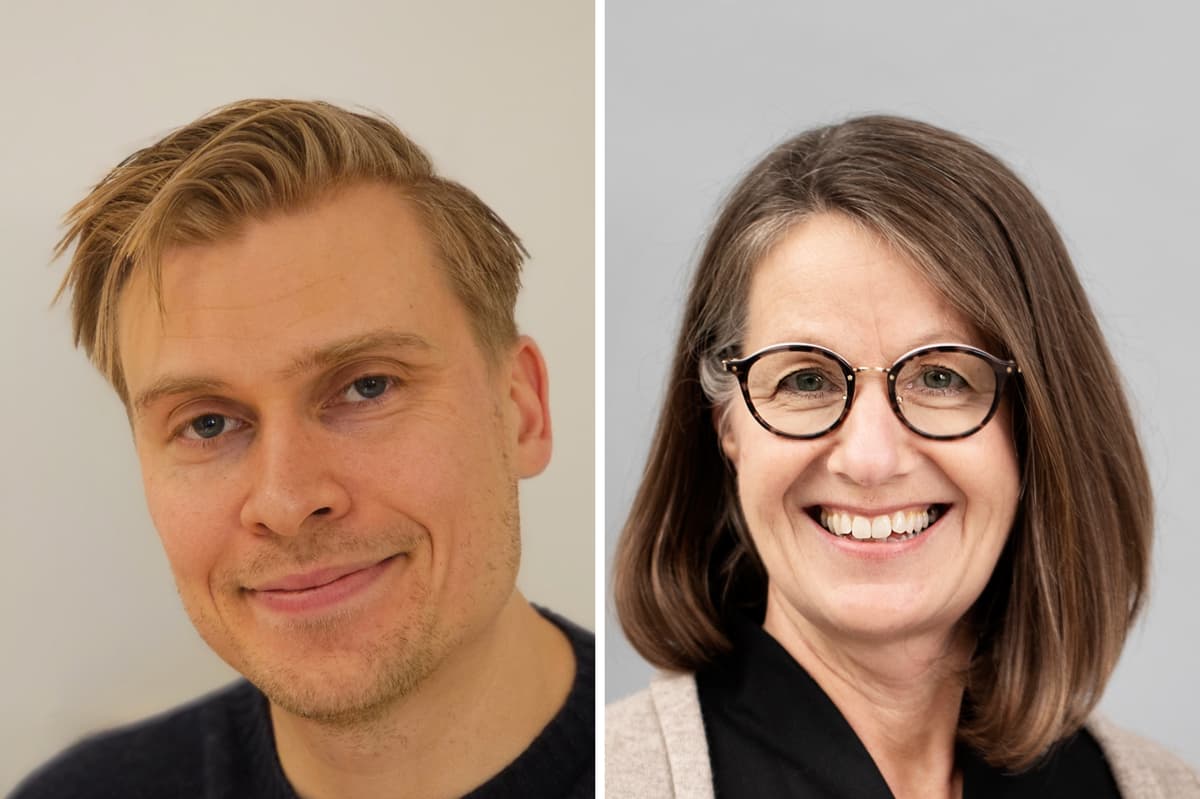
Doctoral Researcher Filip Kronqvist is studying how the environment, staff, and community in Folkhälsan’s senior housing can support active aging, engagement, and independence among people experiencing cognitive changes, such as changes in memory, concentration, problem-solving, or the ability to find words.
Filip Kronqvist has interviewed people with cognitive decline who live independently, with access to nearby services and a sense of community. He wants to understand the opportunities and barriers they encounter in everyday life when it comes to engagement and independence.
“Many say it’s about being able to continue being the person you have always been, even when circumstances change. It is important to be able to hold on to activities, interests, and routines that have been meaningful throughout much of their lives,” says Filip Kronqvist.
One of the starting points of the research is that residents’ own voices should be heard.
“The World Health Organization WHO has highlighted that people with dementia are at risk of being excluded from decision-making, and their wishes and preferences are not always respected. That is why it is important that people experiencing cognitive changes also have a voice in research and that their own experiences and perspectives are made visible.
Filip Kronqvist’s research is part of the BoAktiv study, which focuses on how senior housing residents’ engagement in active aging is shaped by individual, organizational, and contextual factors within senior housing environments.
Shared meals make everyday life meaningful
Kronqvist has interviewed 38 residents of Folkhälsan’s senior housing across Swedish-speaking Finland. He has also interviewed more than 20 employees working in the housing facilities in various professional roles, ranging from kitchen staff and activity coordinators to members of management. This fall, he began analyzing the material.
“One thing I can already see is that the people living in Folkhälsan’s senior housing are a very diverse group. Residents are aged 55 and over, meaning that many different age cohorts are represented within the group.”
People living in the senior housing have very different life situations and levels of functioning. Some are very active outside the residence, while others depend more on what is available within the residence and in the immediate neighborhood.
Many of the residents Kronqvist interviewed emphasize the importance of the sense of community.
“Being able to share everyday moments with others is valuable. Many people have mentioned that the social interaction around meals in the restaurant is very important to them.”
The opportunity to take part in activities at the residence is also essential. This is especially true for people who feel unable or hesitant to go outside, for example during the winter because of snow and icy conditions.
Balancing independence and support
Kronqvist says that many interviews have highlighted how important the combination of independence and a sense of security is for people who move into senior housing.
“Many have said that one important reason for moving into senior housing is the opportunity to make their own choices about how they want to live and age.”
Residents want to be able to make their own decisions about everyday life and remain in control of their lives. One person may enjoy cooking and want to keep having lunch at home, while another prefers going to the restaurant for lunch. One person may want to sleep in, while another is happy to join a group activity in the morning.
“Many also emphasize that knowing that support and services are available when needed gives them a sense of security. This can include anything from group activities and shared meals to home care.”
“Independence is important, but some people also need support in order to remain independent in practice.”
Support from those around them can sometimes take the form of a staff member or neighbor reminding someone that a group activity is about to begin. Remembering a scheduled activity or taking the initiative to join an activity can be difficult for people with cognitive decline. Small supportive measures can therefore play an important role.
“Many people talk about how important the community among neighbors is in senior housing. Having neighbors who help one another is valuable. The residents themselves play an important role in creating engagement and a sense of community.”
In everyday life, support often means providing help when it is needed while still giving residents space to manage on their own.
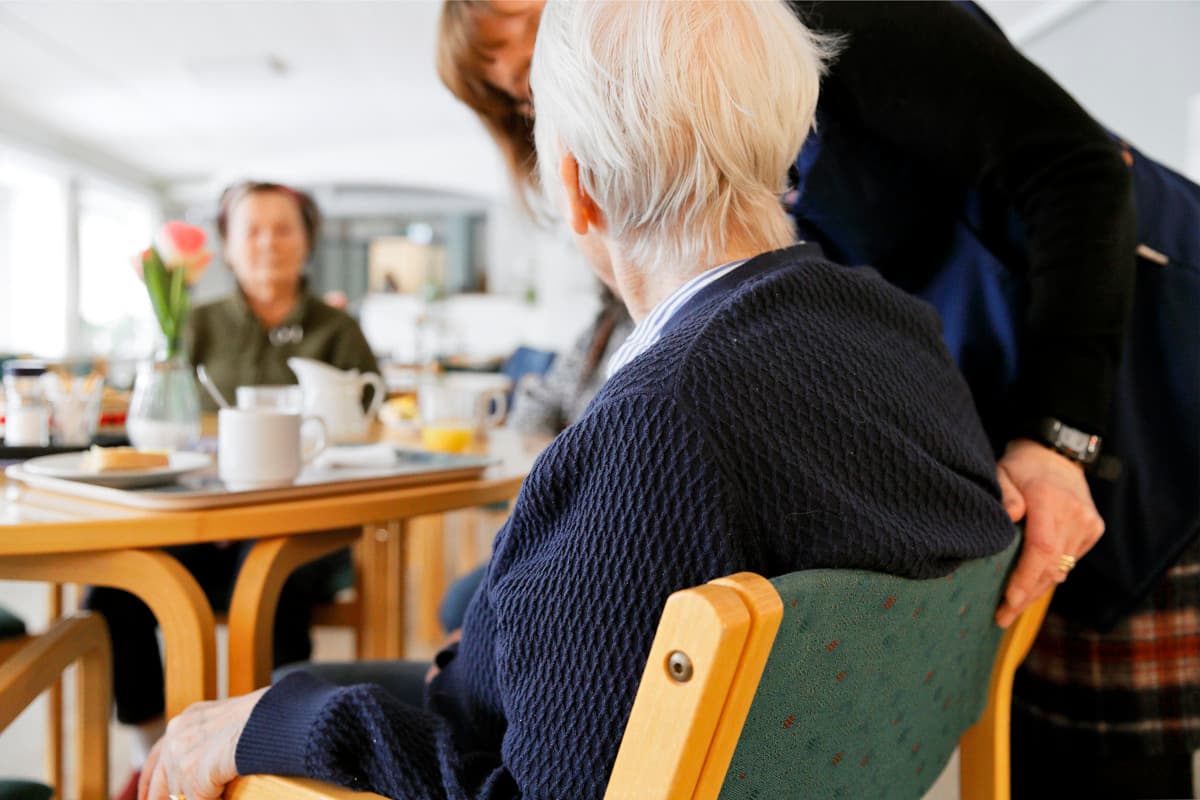
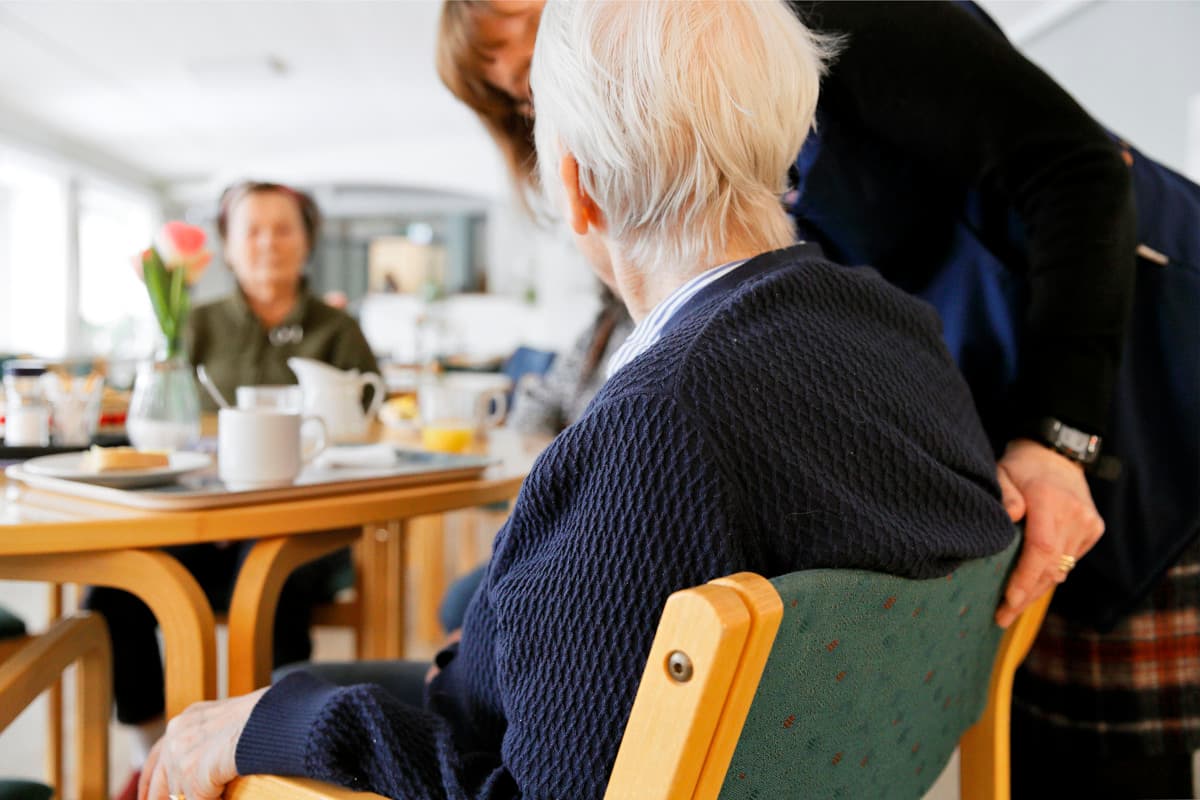
“For example, during lunch, everyone is encouraged to do as much as they can themselves. At the same time, staff can help residents with things they are unable to manage on their own, such as carrying a tray or serving themselves food.”
“My impression is that the staff at Folkhälsan’s senior housing are very sensitive to this balance and allowing residents to maintain their independence. It is important for staff to get to know the residents, so they understand what is important to them,” says Kronqvist.
In the longer term, Filip Kronqvist hopes that the findings from his research can be used to further develop services both in Folkhälsan’s senior housing and among other organizations that provide housing and services for older adults. The knowledge may also be valuable for further research and for decision-makers working to create inclusive housing and living environments.
Contact


Heidi Furu
Science communicator
Administration
+358 44 488 3086