Parental mental wellbeing is associated with adolescents’ physical activity and digital media use
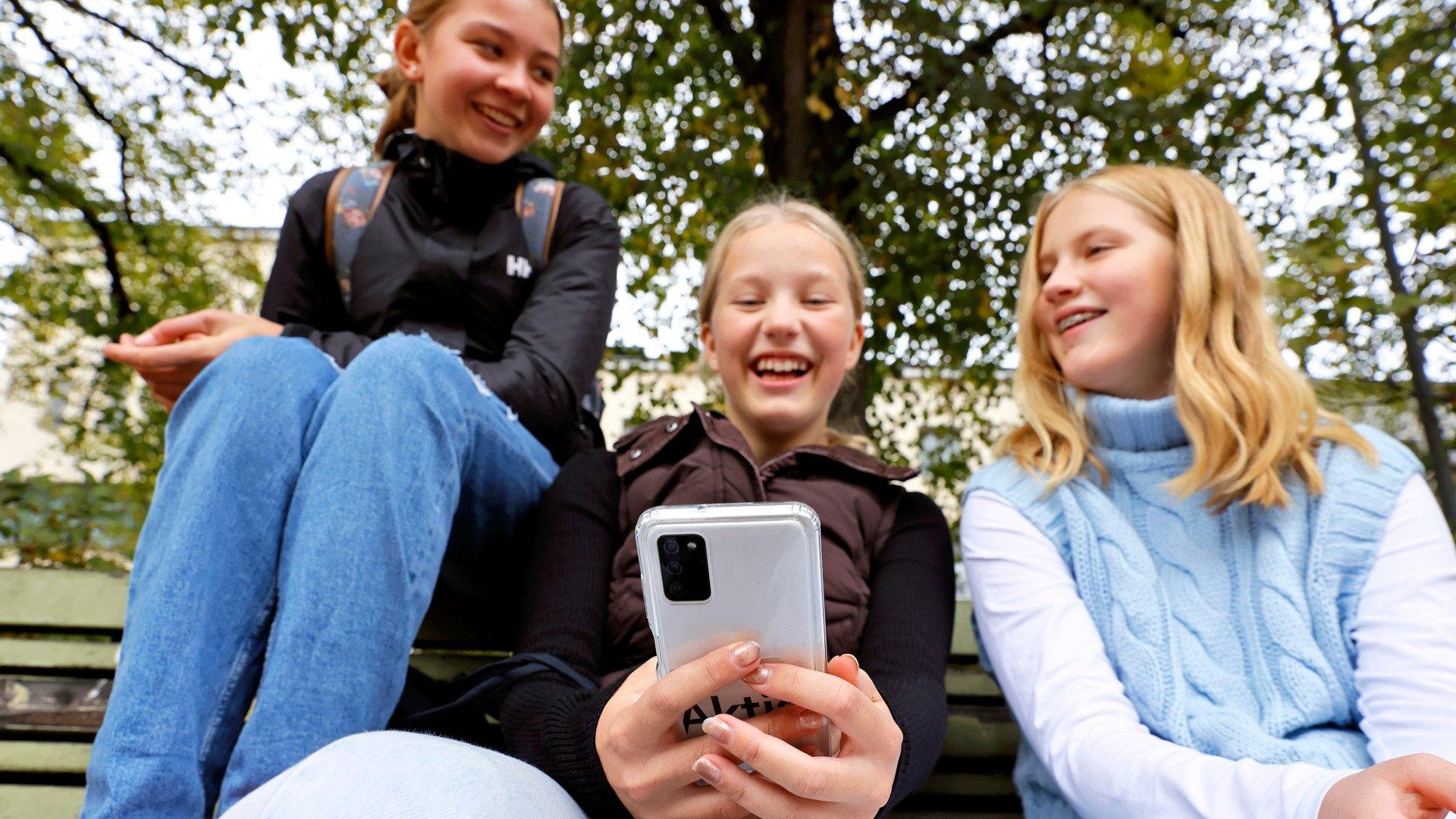
Parental mental wellbeing appears to be associated with adolescents’ physical activity and digital media use. In a recent study from Folkhälsan Research Center, better parental mental wellbeing was associated with higher physical activity and lower sedentary digital media use among adolescents aged around 11 years, with largely similar associations observed three years later at age 14.
Identifying factors associated with adolescents’ movement behaviors is important, as many young people do not meet physical activity recommendations and spend substantial amounts of time in sedentary screen-based activities. Mental health challenges also represent a major public health concern, yet the role of parents’ mental wellbeing in children’s and adolescents’ health behaviors has received relatively limited attention.
We examined this topic using data from nearly 6,000 parent–adolescent pairs participating in a large Finnish cohort study. When adolescents were approximately 11 years old, parents reported their own depressive symptoms, sense of coherence (reflecting how comprehensible, manageable, and meaningful they perceive life), and mental health-related quality of life. Adolescents reported their leisure-time physical activity and sedentary digital media use, and their height and weight were measured. These adolescent outcomes were reassessed three years later, at around age 14.
Higher overall parental mental wellbeing was associated with higher adolescent physical activity and lower digital media use at age 11, and these associations largely persisted at age 14, particularly for physical activity. Among specific aspects of parental wellbeing, higher parental depressive symptoms were associated with lower adolescent physical activity, while a stronger parental sense of coherence was associated with lower digital media use. Parental mental wellbeing was not associated with adolescents’ body mass index at either time point.
These findings suggest that parental mental wellbeing is related to adolescents’ physical activity and sedentary digital media use across early and mid-adolescence. In addition to its broader importance, parental mental wellbeing may therefore warrant greater attention when seeking to understand family-level influences on adolescents’ movement behaviors.
“Parental mental wellbeing is important for many reasons. Our findings suggest that it may also be relevant when considering adolescents’ physical activity and sedentary digital media use,” says Elina Engberg, one of the authors of the study.
Original article:
Cross-sectional and longitudinal associations between parental mental wellbeing and adolescents’ physical activity, sedentary digital media use, and body mass index.
Hietajärvi L, Maksniemi E, Lahti J, Lonka K, Viljakainen H, Engberg E.
Mental Health and Physical Activity 2026.