Genetics Research Program
Research groups in molecular genetics
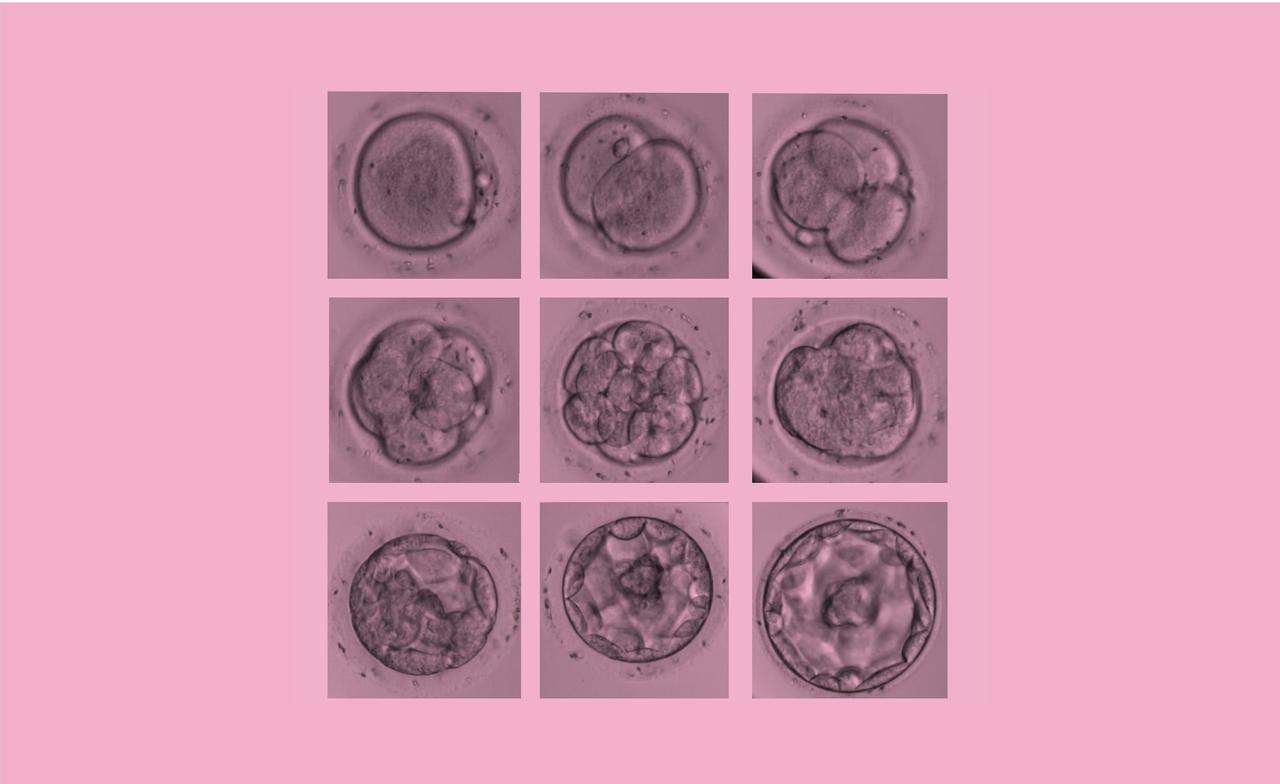
Biology of Pregnancy – from fertilization to birth
We study early embryonic development and pregnancy disorders, many with an inflammatory component, such as pre-eclampsia.

Dog and cat disease models
We aim to understand the genetic origin of canine and feline traits as models of human disorders.
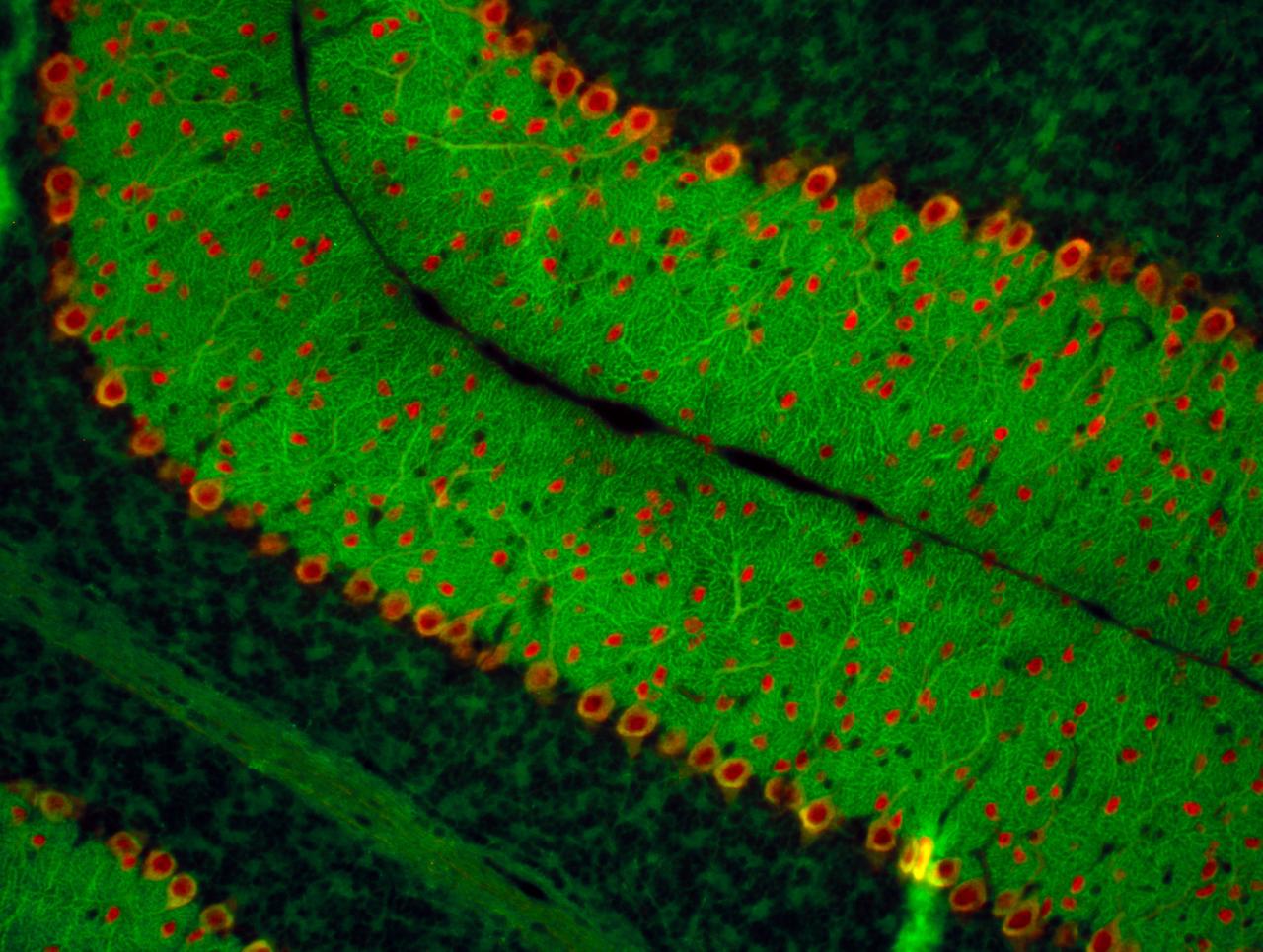
Molecular basis of epilepsy
The group’s research aims at understanding the molecular basis of epilepsy syndromes through gene identification followed by functional studies, with the long-term aim of developing new therapies.
Eye Genetics
The Eye Genetics Group, led by Dr. Turunen, focuses on identifying the genetic causes of inherited eye diseases.
Immunomics
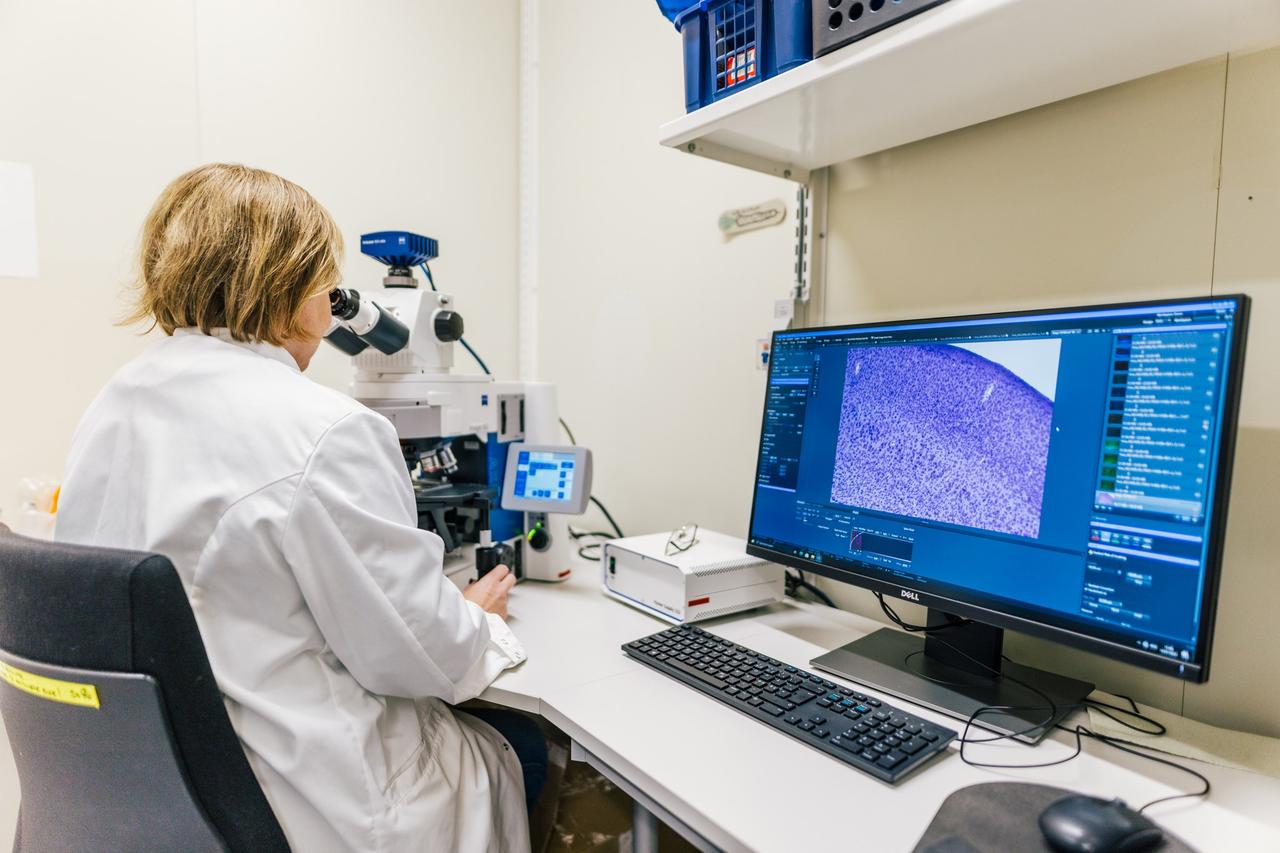
We focus on finding novel genetic, transcriptomic microbiomic and cellular biomarkers for diseases such as celiac disease and inflammatory bowel disease, and on characterizing their function and role in disease pathogenesis, and applying eventually the results in development of novel diagnostic and therapeutic methods.
Metabolic Bone Diseases
Our group aims to identify new genetic causes and clinical manifestations in osteoporosis and skeletal dysplasias and to study the role of previously characterized genes and their variation in metabolic bone diseases.
Myofin – Myology research in Finland
The aim of our research group is to elucidate the genetic causes and pathogenetic mechanisms of hereditary neuromuscular diseases.
Experimental studies of neonatal mitochondrial diseases
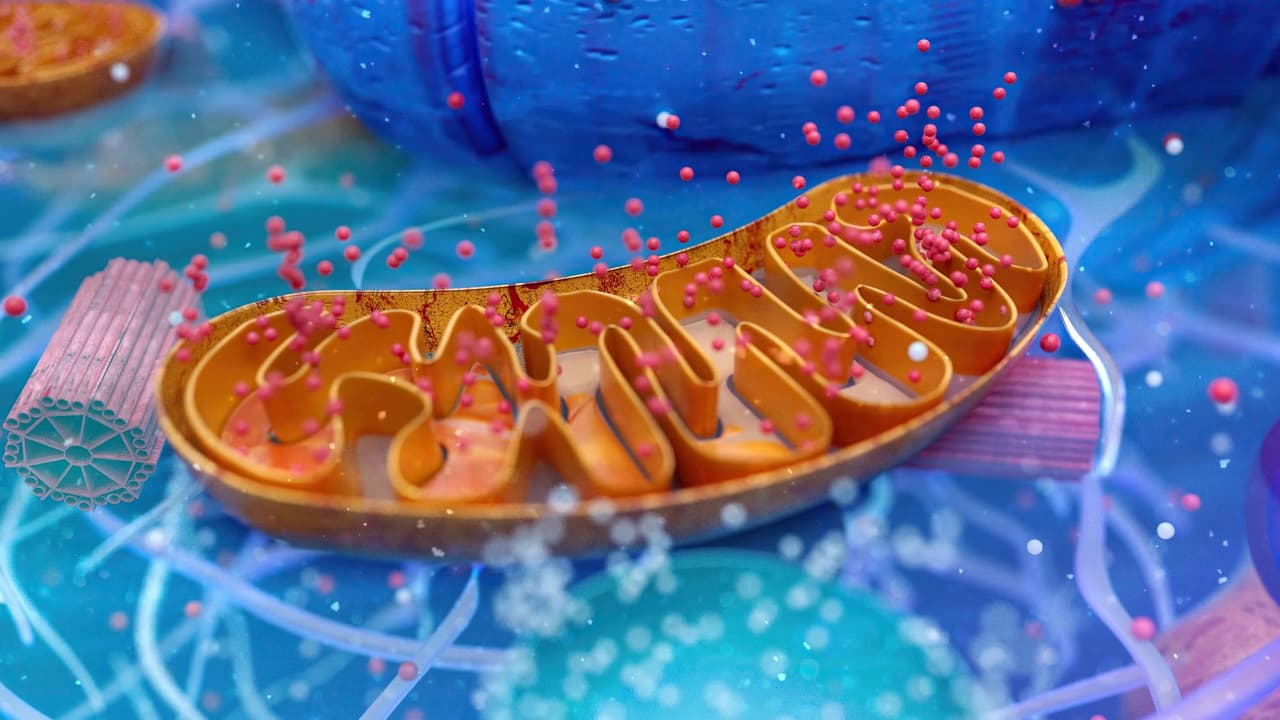
The aim of our research is to uncover disease mechanisms in pediatric mitochondrial diseases, to develop novel treatments for the benefit of the patients, and to better understand the biology of mitochondria in energy metabolism and aging.
Research groups in diabetes genetics
The FinnDiane Study
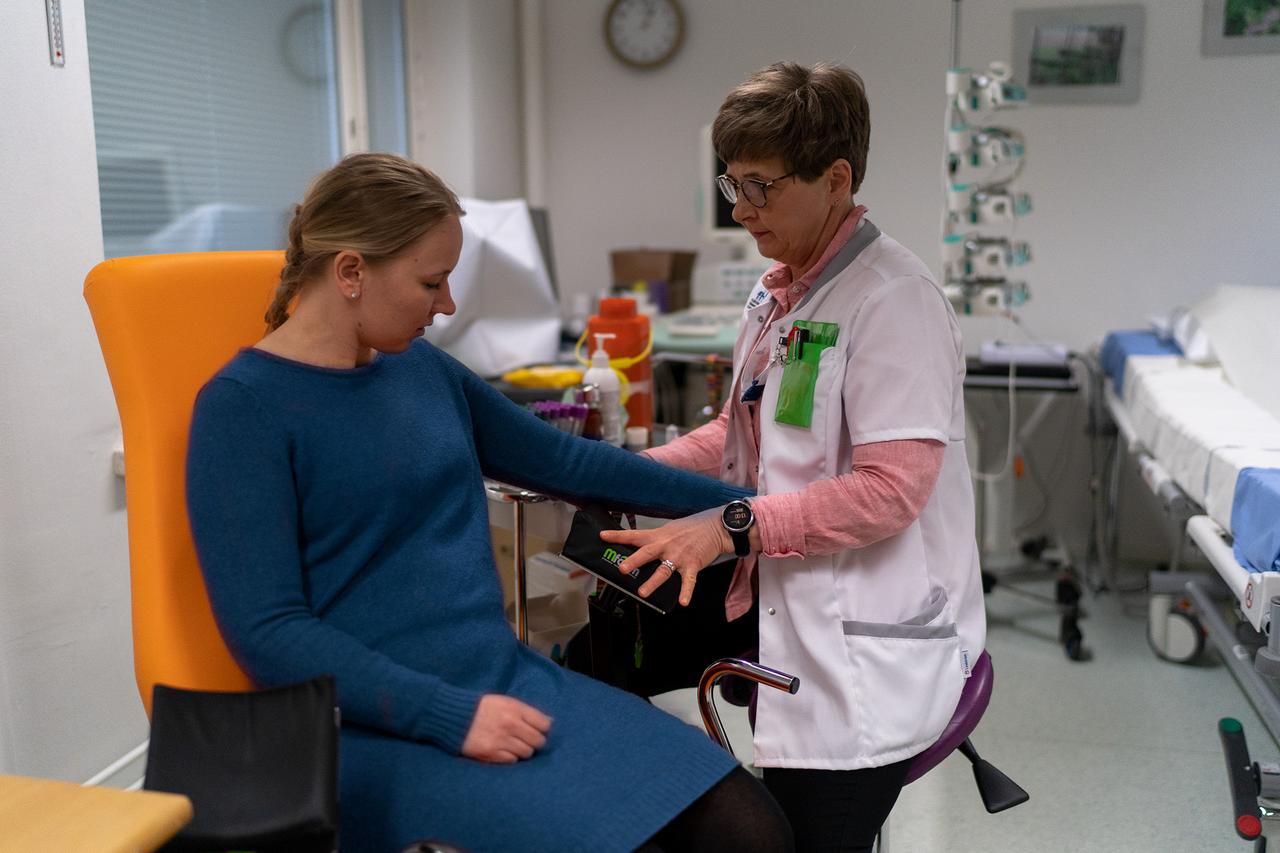
The nationwide Finnish Diabetic Nephropathy (FinnDiane) Study launched in 1997 has established its position as the world leading study group on diabetic nephropathy. To date, the study comprises nearly 10,000 well characterized participants with type 1 diabetes recruited from 93 centers all over Finland.
Heterogeneity of Diabetes
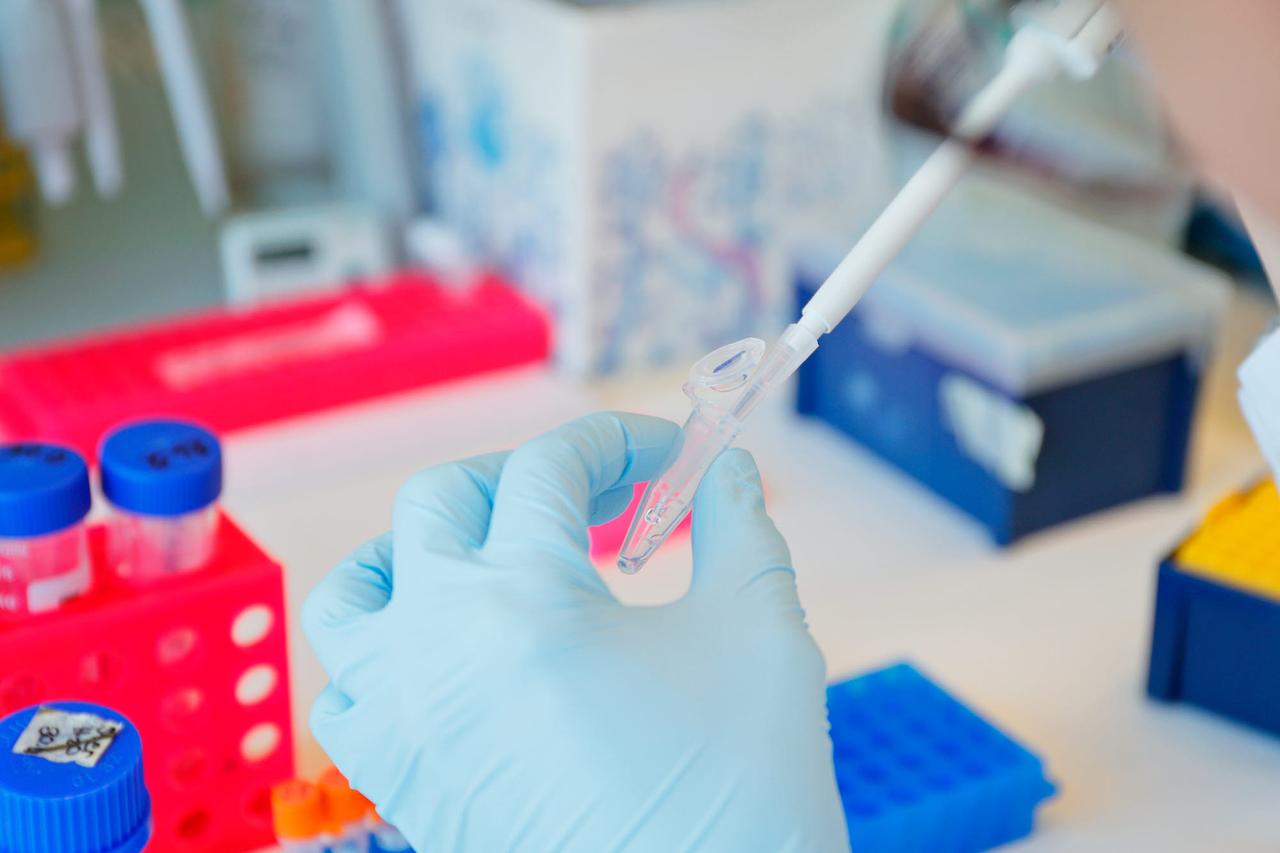
The research of the group aims at characterizing the genetic and environmental factors predisposing to diabetes and its complications.
Contact us

Anna-Elina Lehesjoki
Program Director, Group Leader
Administration, Genetics Research Program
+358 50 505 8894