Next Steps – Everyday environments and inequalities in physical activity among adolescents
Our research
Regular physical activity supports adolescents’ physical and mental health and cognitive functioning. Not all adolescents have the same opportunities to be physically active. Next Steps examines which groups have lower levels of physical activity and how factors related to family, school, peers, local communities and digital environments may contribute to these inequalities.
We also study differences related to gender, socioeconomic circumstances, rural and urban settings, and Finnish- and Swedish-speaking contexts. By combining quantitative, qualitative and participatory methods, we aim to understand these inequalities and develop locally relevant solutions together with young people and other stakeholders.
How the study is carried out
The project focuses particularly on rural and Swedish-speaking communities in Finland, which have received less attention in previous research. The study is carried out at the Folkhälsan Research Center in 2026–2029 in collaboration with the University of Jyväskylä, the City of Nykarleby, the City of Salo and the Government of Åland.
Next Steps consists of three interconnected parts.
1. Identifying inequalities in rural and Swedish-speaking contexts
We will analyse existing data from the DAGIS Salo study, which includes pupils in grades 3–6, and the national LIITU study, which includes pupils in grades 5, 7 and 9. The analyses will identify groups with lower levels of physical activity and examine modifiable factors in their everyday environments that may be related to these differences. Particular attention is given to rural and Swedish-speaking contexts, which have received less attention in previous research. The findings will also guide the qualitative phases of the project.
2. Understanding adolescents' experiences of everyday environments
We will conduct qualitative research with adolescents aged 11–15 in Nykarleby, Salo and Åland. Through focus group interviews and photovoice, we explore how adolescents experience their home, school, peers, local community and digital environments as supporting or limiting their opportunities to be physically active.
Particular attention is given to the experiences of adolescents with lower levels of physical activity and to differences between sociodemographic, rural and urban, and Finnish- and Swedish-speaking contexts.
3. Co-designing locally relevant solutions
Findings from the quantitative and qualitative research are used in co-design workshops with young people and relevant adults, including parents, school staff and municipal and regional stakeholders. In rural Swedish-speaking and Finnish-speaking settings, participants will identify priorities and develop solutions that are meaningful to young people, feasible in practice and adapted to the local context. The aim is to develop locally relevant changes to adolescents’ everyday environments that can reduce inequalities in opportunities to be physically active.
Next Steps is conducted in accordance with relevant research ethics guidelines and applicable data protection legislation. More detailed information for study participants will be provided before data collection begins.
Young people shaping the research
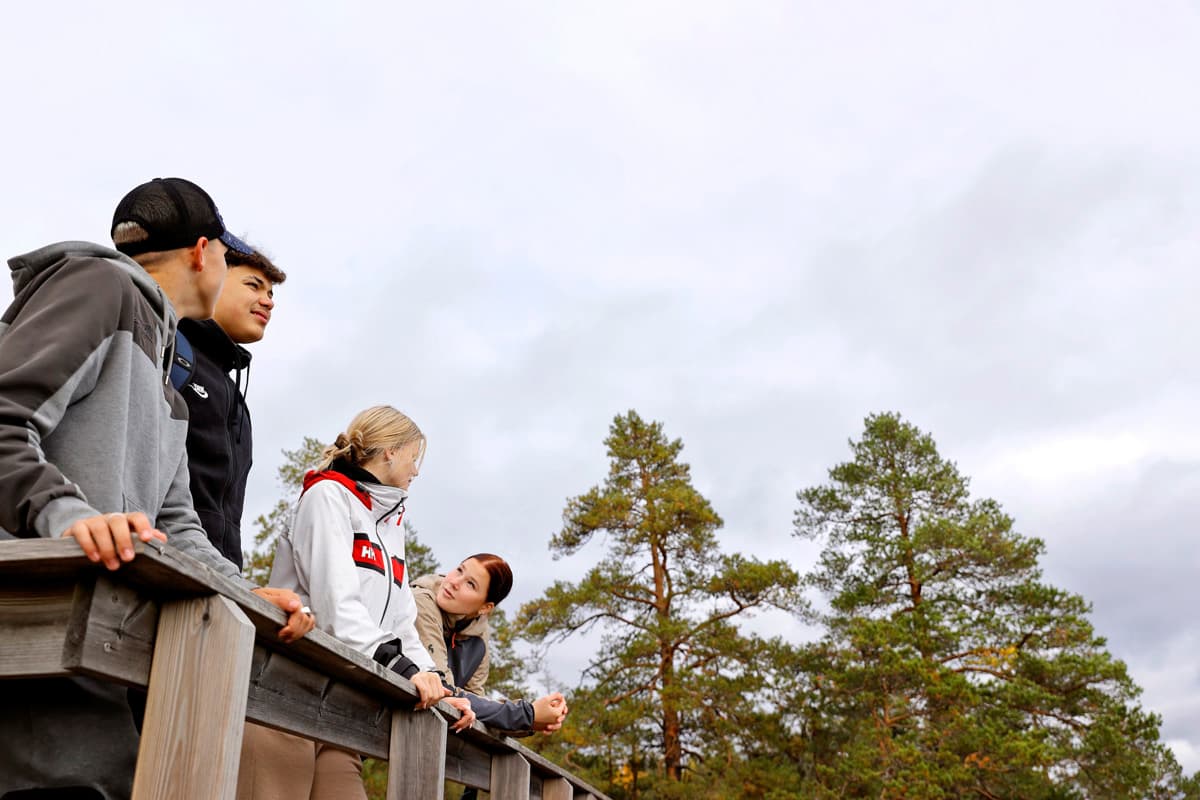
Young people's involvement is an important part of Next Steps. A Swedish-speaking and a Finnish-speaking Young People's Advisory Group will provide advice throughout the project, for example on research materials, interpretation of findings and communication.
A stakeholder reference group involving young people, researchers and representatives from schools, municipalities, regions and other relevant organisations also supports the project and its societal relevance.
Collaboration and societal impact
Next Steps is carried out in close collaboration with the local and regional communities where the research takes place. This allows us to combine scientific evidence with young people's experiences and local knowledge.
The findings will be shared with researchers, practitioners, municipalities, regions, schools, young people, families and decision-makers. Our aim is to support the development of practical and context-sensitive approaches that can reduce inequalities in physical activity, with particular relevance for rural and Swedish-speaking communities in Finland.
Read more
Partner organizations
City of Nykarleby, Finland
City of Salo, Finland
Government of Åland, Finland
University of Jyväskylä, Finland
Folkhälsans förbund rf, Finland
Folkhälsan på Åland r.f., Åland, Finland
Scientific collaborators
Professor Sami Kokko, University of Jyväskylä, Finland
Assistant Professor Susanne Andermo, Karolinska Institutet, Sweden
Professor Maïté Verloigne, Ghent University, Belgium
Professor Gisela Nyberg, The Swedish School of Sport and Health Sciences (GIH), Sweden
Dr Nicky Nibbeling, Amsterdam University of Applied Sciences, the Netherlands
Research Council of Finland
Samfundet Folkhälsan
Contact us
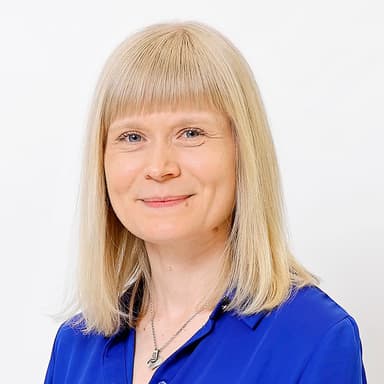
Josefine Kailaheimo-Björkqvist
Postdoctoral Researcher
Public Health Research Program
+358 44 488 3067