Genetic information helps predict glaucoma risk and progression
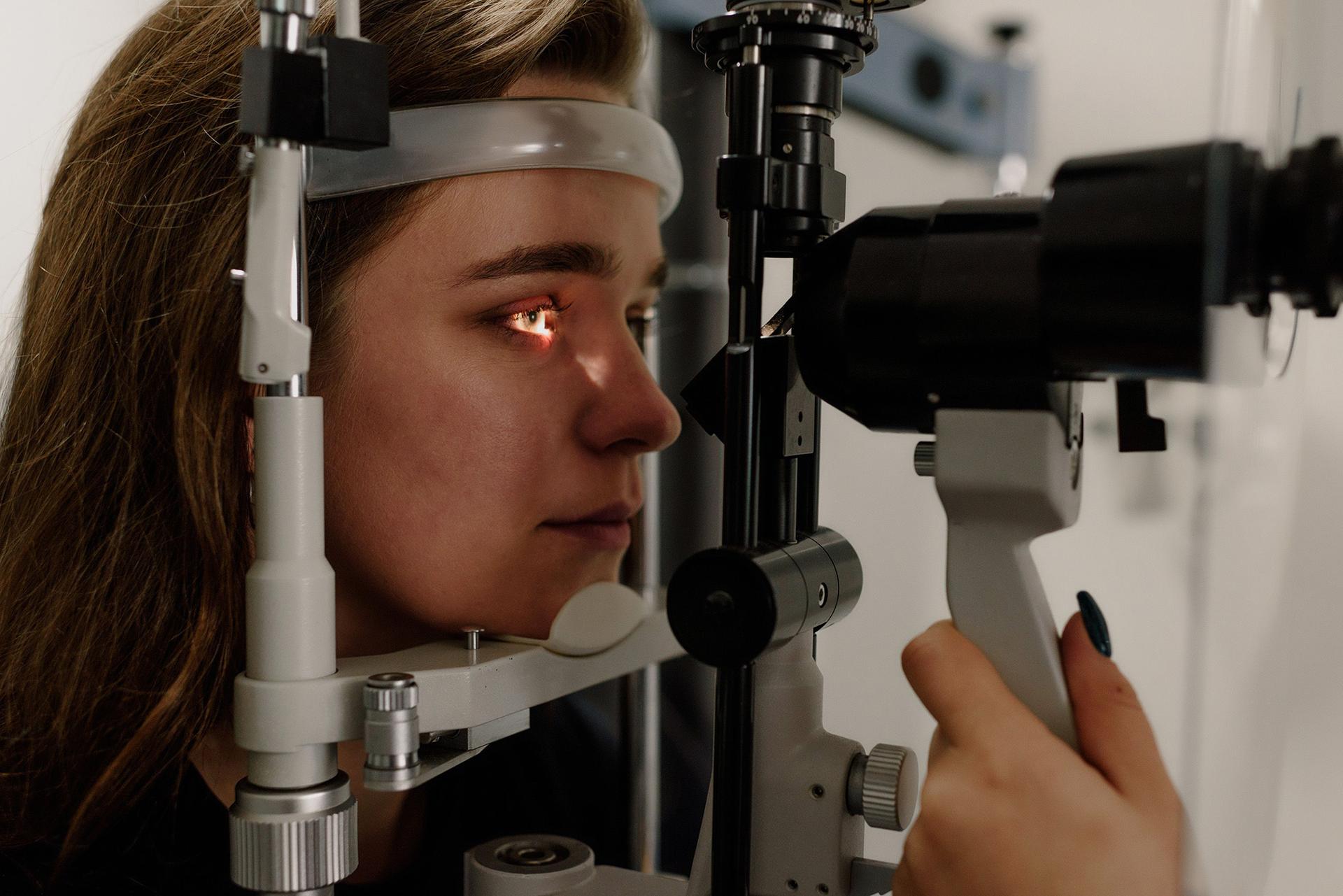
Genetic information may help identify people at high risk of glaucoma decades before symptoms appear – and may also indicate whose disease is likely to require more intensive treatment.
Glaucoma is one of the world’s leading causes of irreversible vision loss. It often develops silently, and damage to the optic nerve cannot be restored. Detecting the disease early is therefore essential, but screening entire populations using current eye examinations would require considerable resources. We asked whether inherited risk could help target screening to those most likely to benefit.
The study used genetic and health-record data from 402,739 participants in FinnGen, including 21,609 people diagnosed with glaucoma after the age of 40. We compared 14 previously developed polygenic risk scores. These scores combine the small effects of many common genetic differences into a single estimate of a person’s inherited risk.
The best-performing score separated participants into groups with strikingly different outcomes. By age 85, the estimated risk of glaucoma was 45.3% among people in the highest 1% of genetic risk, compared with 2.5% among those in the lowest 1%. The score also provided information beyond family history.
Genetic risk was linked not only to whether glaucoma developed, but also to how the disease progressed. During 20 years of follow-up, patients in the highest risk group were more likely than those in the lowest risk group to need additional pressure-lowering medication, laser treatment or glaucoma surgery.
“Genetic risk can be measured long before glaucoma causes symptoms. This may help us focus screening on people who stand to benefit most,” says Joni Turunen from the Eye Genetics Group, Folkhälsan Research Center, the University of Helsinki and Helsinki University Hospital.
The findings support further evaluation of genetics-guided glaucoma screening. A new clinical study in Southern Finland, funded by the Research Council of Finland, will test how this approach could work in practice and whether it is cost-effective. The research was a collaboration between the Folkhälsan Research Center, the Institute for Molecular Medicine Finland at the University of Helsinki, Helsinki University Hospital and FinnGen.
Original article:
Polygenic risk impacts lifetime risk and prognosis of glaucoma.
Tusa ES, Tamlander M, Ripatti S, Harju M, Salo K, Turunen JA, Mars N. Ophthalmology. 2026.