From one insulin injection a day to modern diabetes care – 70 years with type 1 diabetes
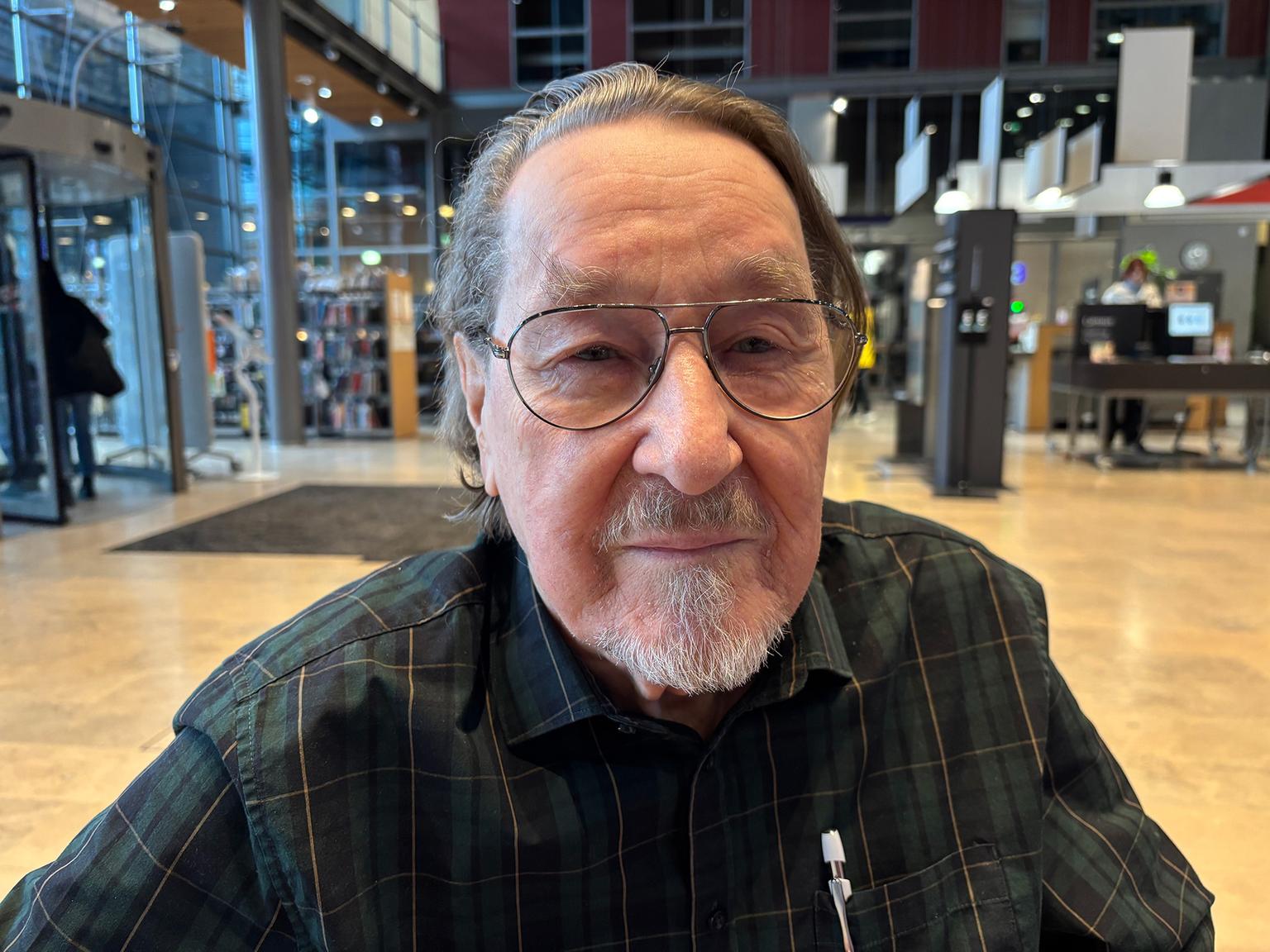
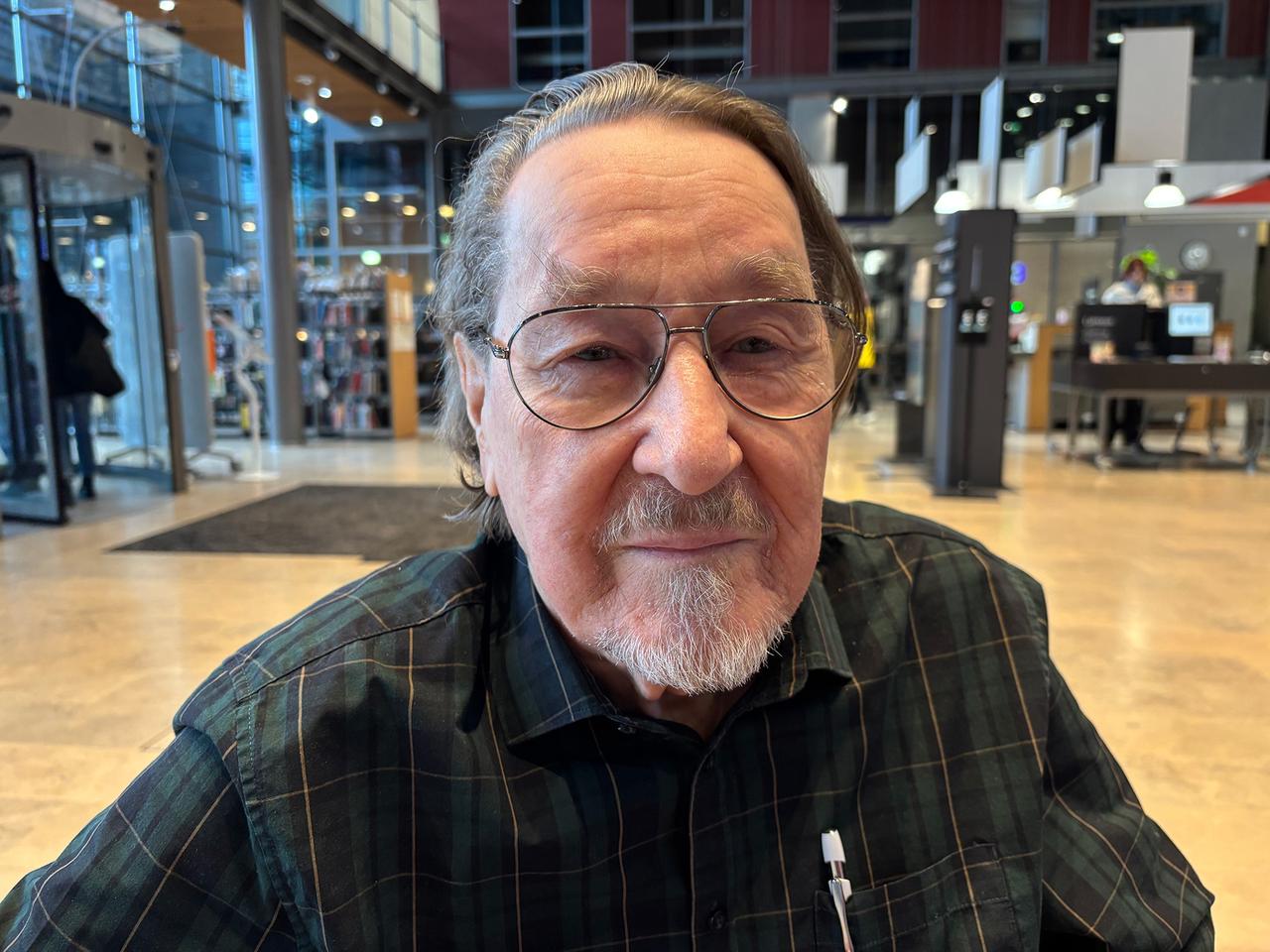
“Take one insulin injection a day, avoid sugar and drink cream.” This was the treatment Tero Kangas was offered when he was diagnosed with type 1 diabetes in the 1950s. Today, he has lived with the condition for more than 70 years and has seen how research and medical advances have fundamentally changed treatment. But despite these developments, many questions remain, not least about how diabetes is affected by aging.
Tero Kangas has closely followed the development of diabetes care in Finland over the past seven decades. As a patient, he has adopted new technologies to monitor his blood glucose and administer insulin, and as a doctor, he has helped countless patients learn to live with type 1 diabetes.
Kangas was diagnosed with diabetes in the year he was due to graduate from upper secondary school. He drank enormous amounts of water and lost weight. He later learnt that these are typical symptoms of type 1 diabetes, which at the time was commonly referred to in Finland as sokeritauti, or “sugar disease”. In Finland in the 1950s, treatment consisted of one insulin injection a day, avoiding sugar and drinking cream.
Kangas began studying medicine, even though the medical profession was considered too demanding for a person with diabetes at the time. A turning point for him – and eventually for many other people living with diabetes in Finland – came when he travelled to the United States as a medical student. His mission was to learn more about diabetes treatment at the Joslin Diabetes Center in Boston.
“I met a dietitian who asked me to buy a scale. For the next three months, I weighed everything I ate and realized how important diet is for managing diabetes,” says Kangas.
New knowledge transformed diabetes care
At the same time, Kangas realized that much needed to be done to improve diabetes care in Finland. When he returned to Finland, he wrote a book called Sokeritautikirja, which was later also published in Swedish under the title Handbok om diabetes (Handbook of Diabetes). In the book, which was aimed at both people living with diabetes and healthcare professionals, he covered everything he had learned about diabetes care in the U.S.
“Above all, I emphasized that insulin should not be administered as a single daily dose but divided into several doses throughout the day to mimic the body's natural insulin secretion. This was a completely new concept in Finland. It was also new that people with diabetes could measure their own blood glucose levels.”
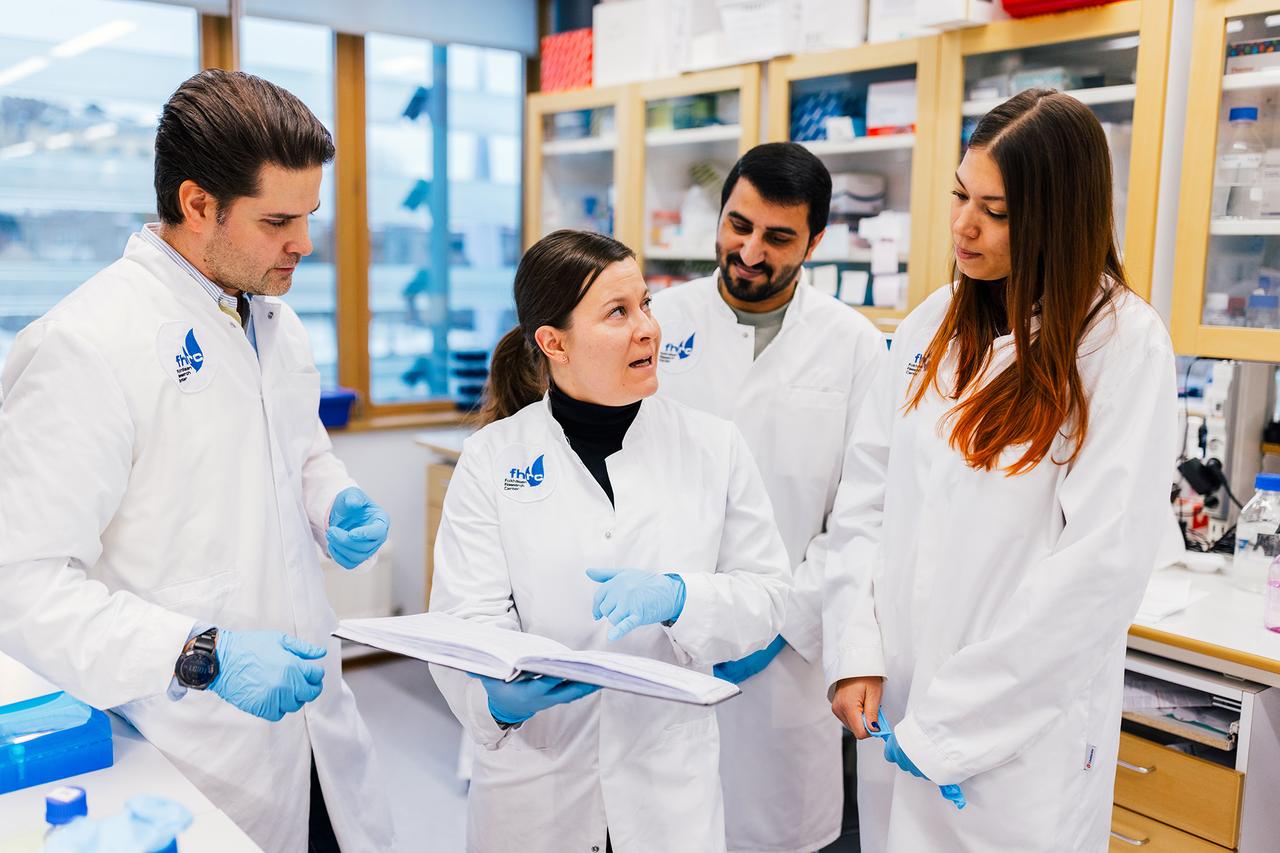
The book helped spread new knowledge about diabetes care in Finland. Since then, research and medical advances have led to increasingly better treatment methods and better opportunities to prevent complications. One example of ongoing research is the FinnDiane Study at the Folkhälsan Research Center, which investigates, among other things, diabetes complications in people with type 1 diabetes.
“Even with today's advanced technology, you still need to understand how your own body responds in order to keep your blood glucose levels stable. I've noticed that controlling my blood glucose has become more difficult as I've grown older. My insulin needs vary throughout the day, and my blood glucose levels have become more sensitive to physical activity,” says Kangas.
Aging with type 1 diabetes
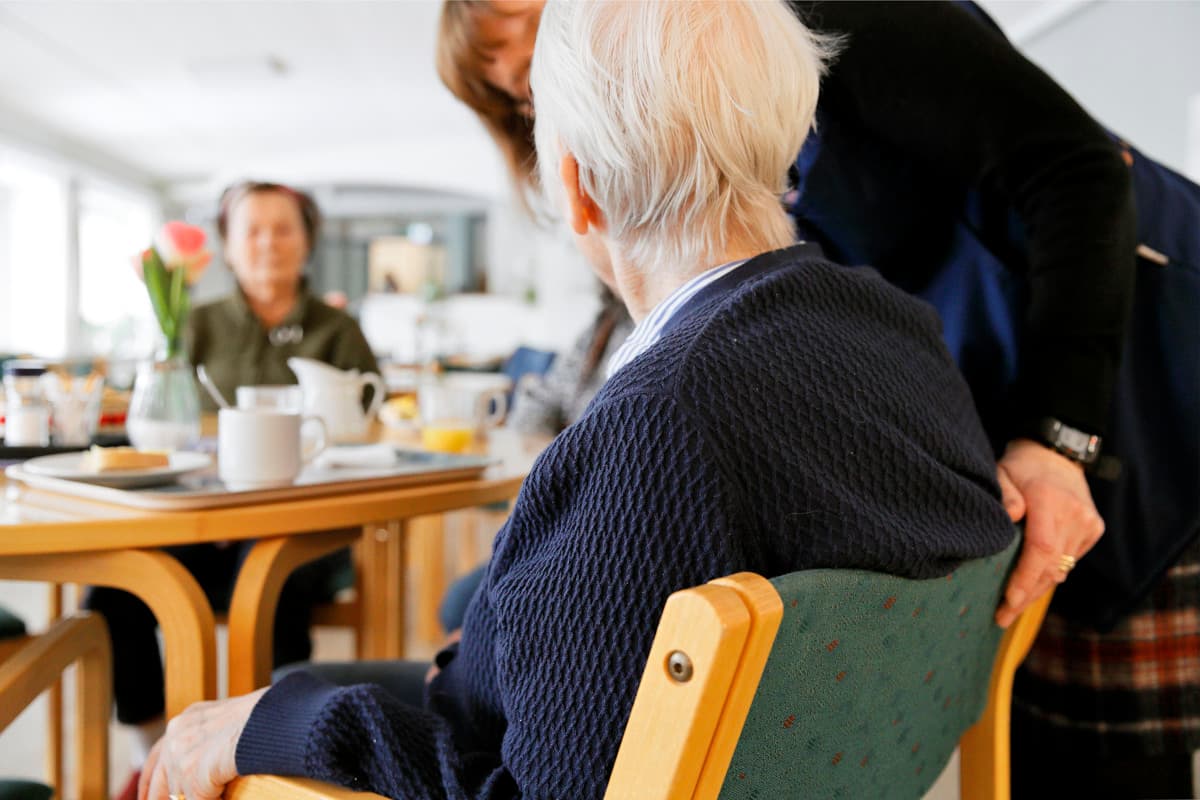
Thanks to better treatment methods and increased opportunities to prevent complications, life expectancy for people with type 1 diabetes has increased significantly. But despite advances in diabetes care, people with type 1 diabetes still have a shorter average life expectancy than those without diabetes.
“I think those of us who have lived with type 1 diabetes for a long time have something in common – there is something that has helped us survive and do well. It would be very interesting to find out what that is,” says Tero Kangas.
This question is also of great interest to diabetes researchers. At the Folkhälsan Research Center, the FinnDiane LifeOne research project is investigating diabetes and aging.
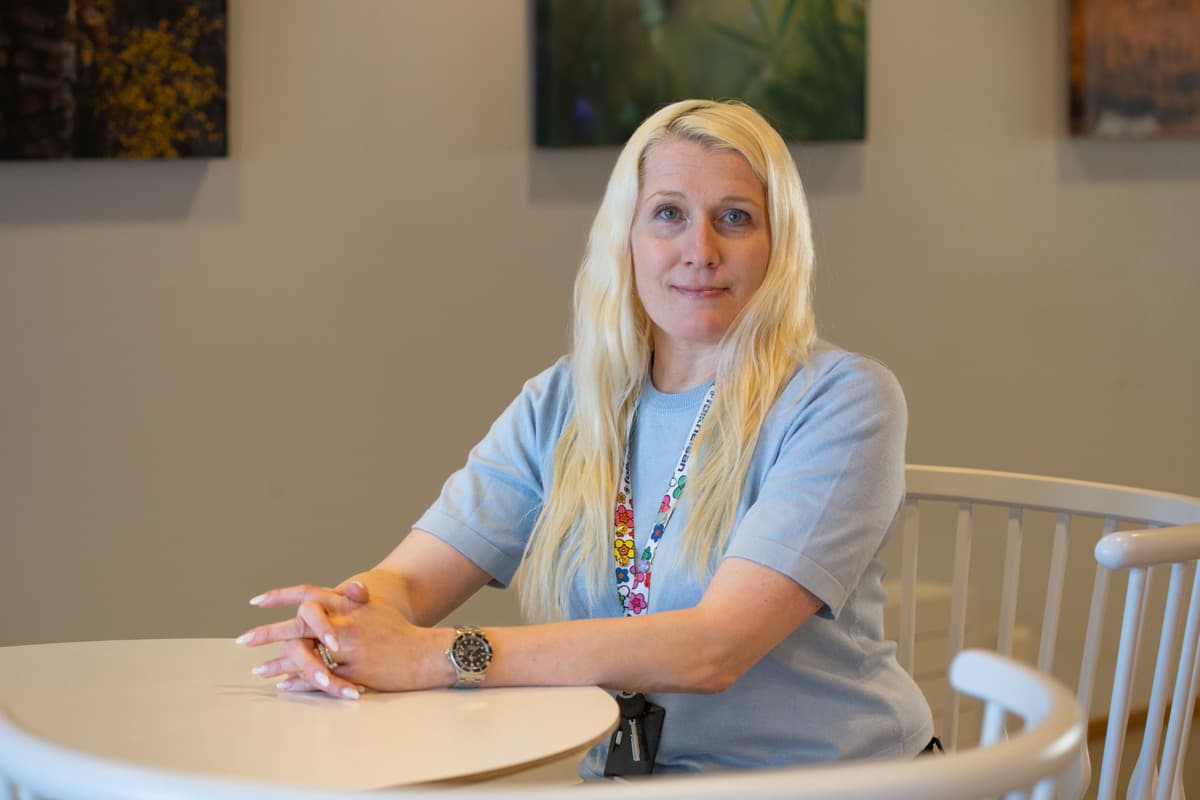
“We want to identify which factors in middle age influence the ability to age in good health, so that we can support healthy aging from an early stage,” says Lena Thorn, the principal clinical investigator for the FinnDiane project.
A characteristic of those who live to an old age with type 1 diabetes is that they often have healthier lifestyles and fewer complications. Research from FinnDiane shows that people over the age of 65 with type 1 diabetes have, on average, lower blood pressure and better blood glucose control than people with type 1 diabetes under the age of 65. They also often developed diabetes later in life and have therefore lived with the disease for a shorter period of time. Diabetic kidney disease is also considerably less common in this group, and very few are smokers. Nevertheless, the research indicates that long-term diabetes is associated with a higher prevalence of cardiovascular disease.
“We need more research to understand the aging process in people with type 1 diabetes and how it differs from aging in people who do not have the disease,” says Thorn.
Accepting the condition is essential
Tero Kangas’s most important message to anyone diagnosed with type 1 diabetes is to accept the condition and take responsibility for their own care.
“Type 1 diabetes affects people differently and changes throughout life. That’s why you’re never done learning how to manage your own condition. Accepting your condition is essential for successful treatment. No two people with type 1 diabetes are alike, and therefore treatment must always be tailored individually. Average values can provide guidance, but they must be adjusted to suit the individual,” says Kangas.
Read more about our research in type 1 diabetes
Heidi Furu
Science communicator
Administration
+358 44 488 3086