Sense of community and social participation underlying active aging among senior housing residents
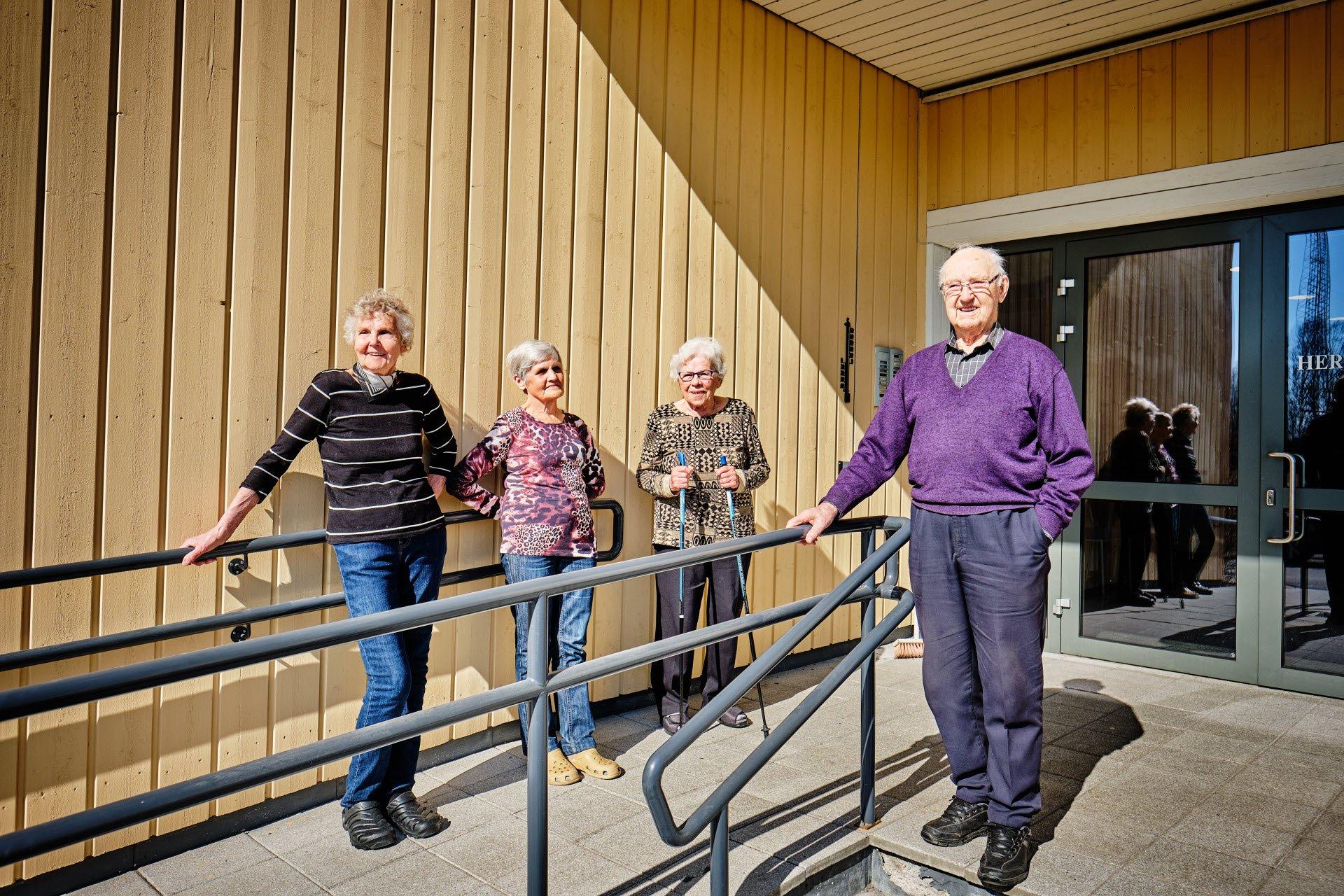
As people live longer, many move into senior housing communities where they can receive support while maintaining independence. But what actually helps older adults stay active and engaged in everyday life? This study explored how a sense of community and social participation are linked to active aging among residents in senior housing.
The study included 278 older adults living in senior housing who participated in the BoAktiv study postal surveys in 2018 or 2020. Active aging was measured with the UJACAS Active Aging scale including subscales of will, ability, and possibility to act, and the frequency of activity. Sense of community was assessed with the revised Sense of Community Index, and social participation was self-reported.
The results showed a clear pattern. Older adults who felt a stronger sense of belonging and connection to others were more active in their daily lives. Those who participated more frequently in social activities also reported higher levels of active aging. The associations were more pronounced among men than women.
The findings indicate that active aging cannot be understood solely in terms of individual health status or personal motivation. Rather, the social environment appears to play a significant role. A strong sense of belonging and perceived social connectedness within one’s residential community were associated with greater engagement in everyday activities. These results suggest that supportive social contexts may help maintain functional independence and quality of life in older age.
The study underscores the importance of promoting social participation and strengthening community ties in senior housing settings. Interventions and policies aimed at enhancing residents’ sense of community may represent viable strategies for supporting active and healthy aging. By prioritizing social engagement alongside physical and medical care, housing providers and decision-makers can create environments that better sustain well-being among older adults.
Original article:
Sense of community and social participation underlying active aging among senior housing residents.
Siltanen S, Rantakokko M, Lahti AM, Levonmaa H, von Bonsdorff MB. Journal of Applied Gerontology. 2025.
Highlights 2025
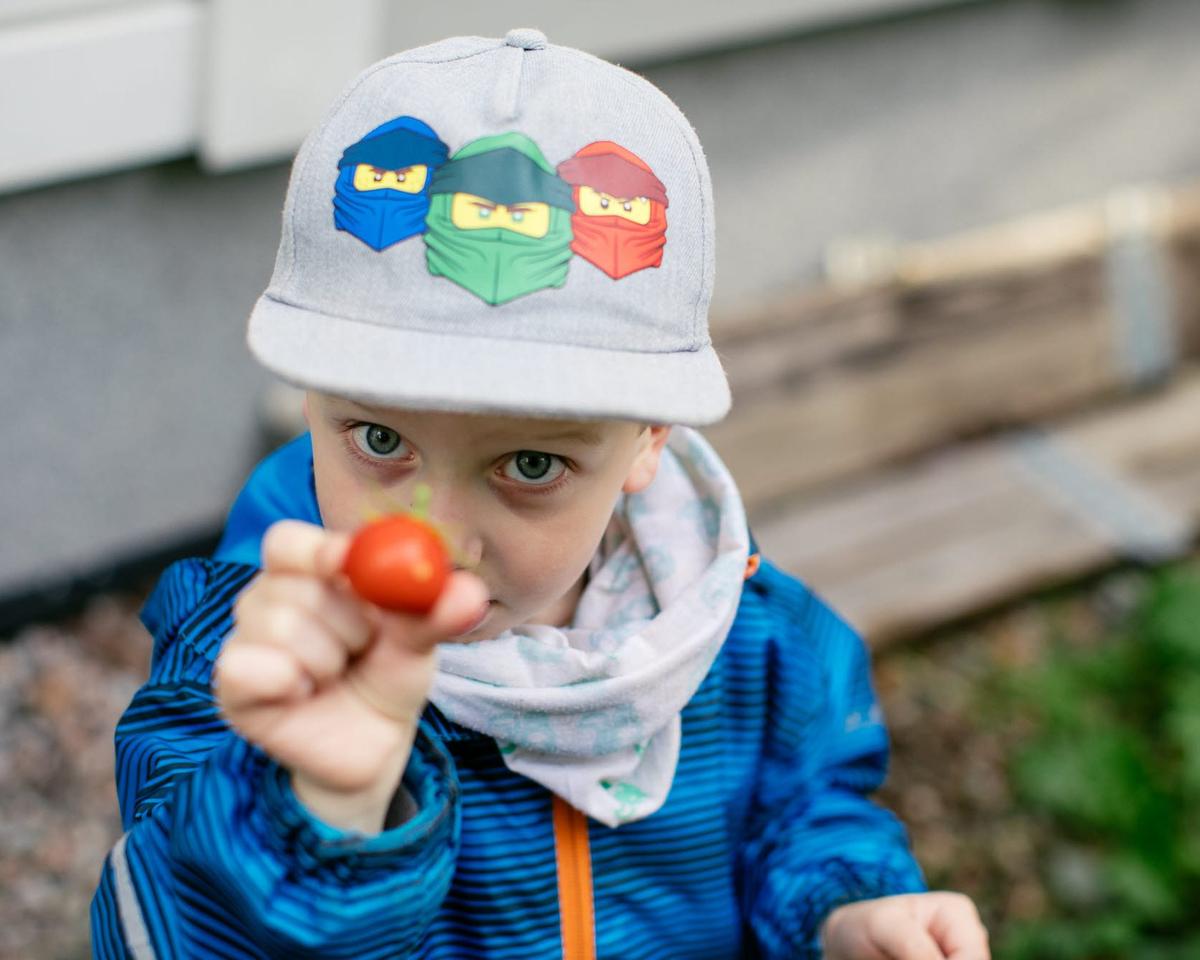
Parenting style and practices can shape children's vegetable consumption
Children ate less vegetables when parents were more overprotective.

Myosin inhibition partially rescues the myofibre proteome in X-linked myotubular myopathy

Frailty outperforms conventional risk factors for predicting complications and death in type 1 diabetes

Cognitive performance in late midlife as a predictor of frailty over 17 years: A longitudinal birth cohort study
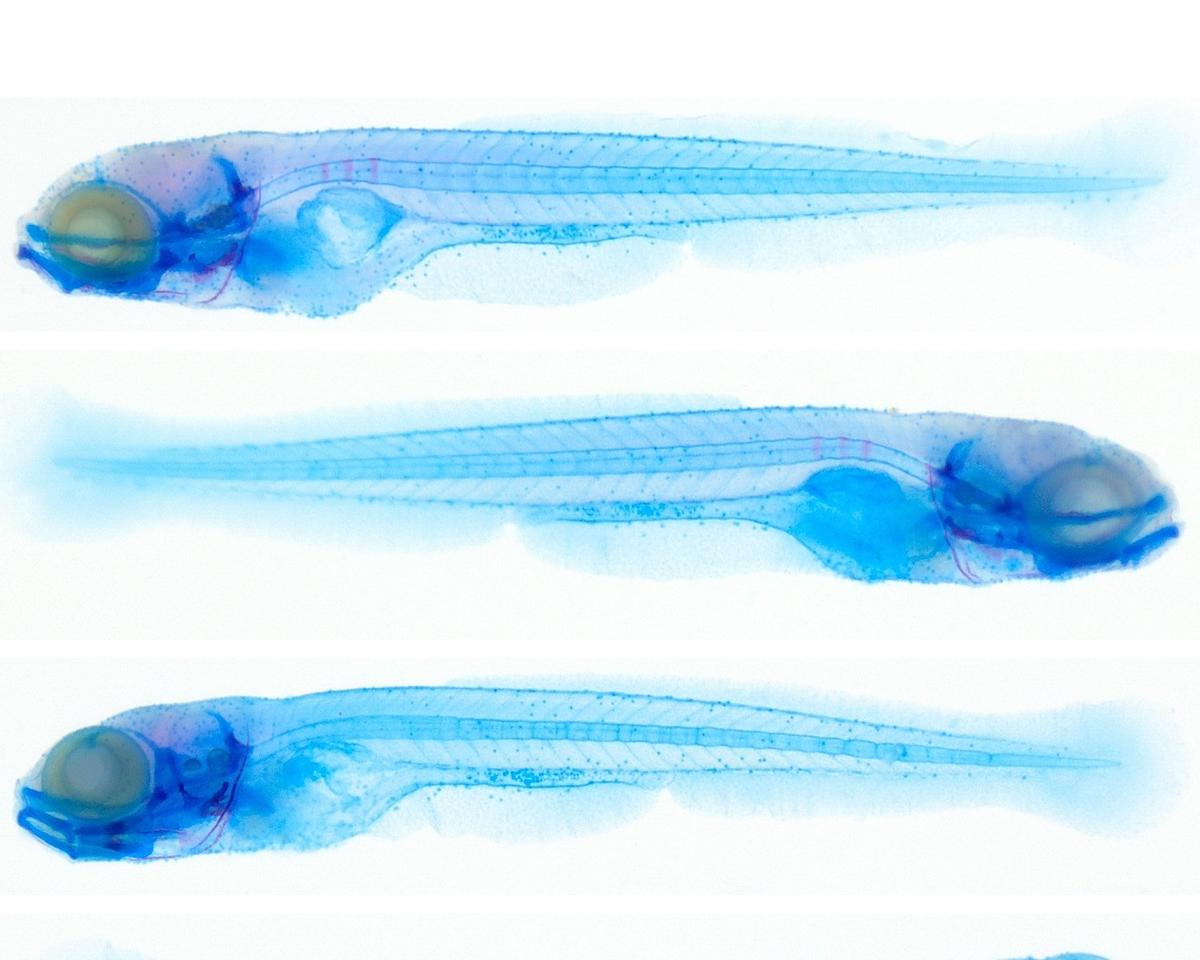
Utilizing CRISPR-Cas13d-knockdown in zebrafish to study a rare monogenic bone fragility syndrome