Myosin inhibition partially rescues the myofibre proteome in X-linked myotubular myopathy

Skeletal muscles enable movement of our body by contracting and generating force. If we look closer into the structure of skeletal muscle, they are made up of individual muscle cells or fibres, which in turn consist of repeating, contracting sarcomeres. In the sarcomeres, the key contractile proteins, actin and myosin, interact and use energy causing the sarcomere to shorten and consequently, the muscle to contract.
In myopathies, muscle function is impaired and the primary symptom is muscle weakness. We have studied myosin function in the context of myopathies and more specifically how dysfunctional myosin affects resting energy expenditure.
This article focused on X-linked myotubular myopathy (XLMTM) – a rare, often fatal skeletal muscle disorder caused by mutations in the myotubularin gene. Its underlying disease mechanisms remain poorly understood.
We found that myosin behaves abnormally in relaxed muscle from human XLMTM patients and dog/mouse models, preferring a structurally disordered and highly energy-consuming biochemical state. This increase in energy usage could contribute to muscle fatiguability. Blocking this overactive energy use with the myosin inhibitor mavacamten in a mouse model for XLMTM, partially restored the expression of proteins critical for muscle structure, contraction and energy balance.
These findings identify myosin dysfunction as a contributor to XLMTM – similarly to what we have seen in nemaline myopathy – and highlight myosin as a potential drug target. Our broader goal is to investigate whether this myosin dysfunction is a wider phenomenon shared across neuromuscular disorders. If so, myosin-modulating drugs could be beneficial for a larger group of patients.
Original article:
Myosin inhibition partially rescues the myofiber proteome in X-linked myotubular myopathy.
Gerlach Melhedegaard E, Rostedt F, Gineste C, Seaborne RA, Dugdale HF, Belhac V, Zanoteli E, Lawlor MW, Mack DL, Wallgren-Pettersson C, Hessel AL, Jungbluth H, Laporte J, Saito Y, Nishino I, Ochala J, Laitila J. JCI Insight. 2025.
Highlights 2025

Parenting style and practices can shape children's vegetable consumption
Children ate less vegetables when parents were more overprotective.

Frailty outperforms conventional risk factors for predicting complications and death in type 1 diabetes

Cognitive performance in late midlife as a predictor of frailty over 17 years: A longitudinal birth cohort study
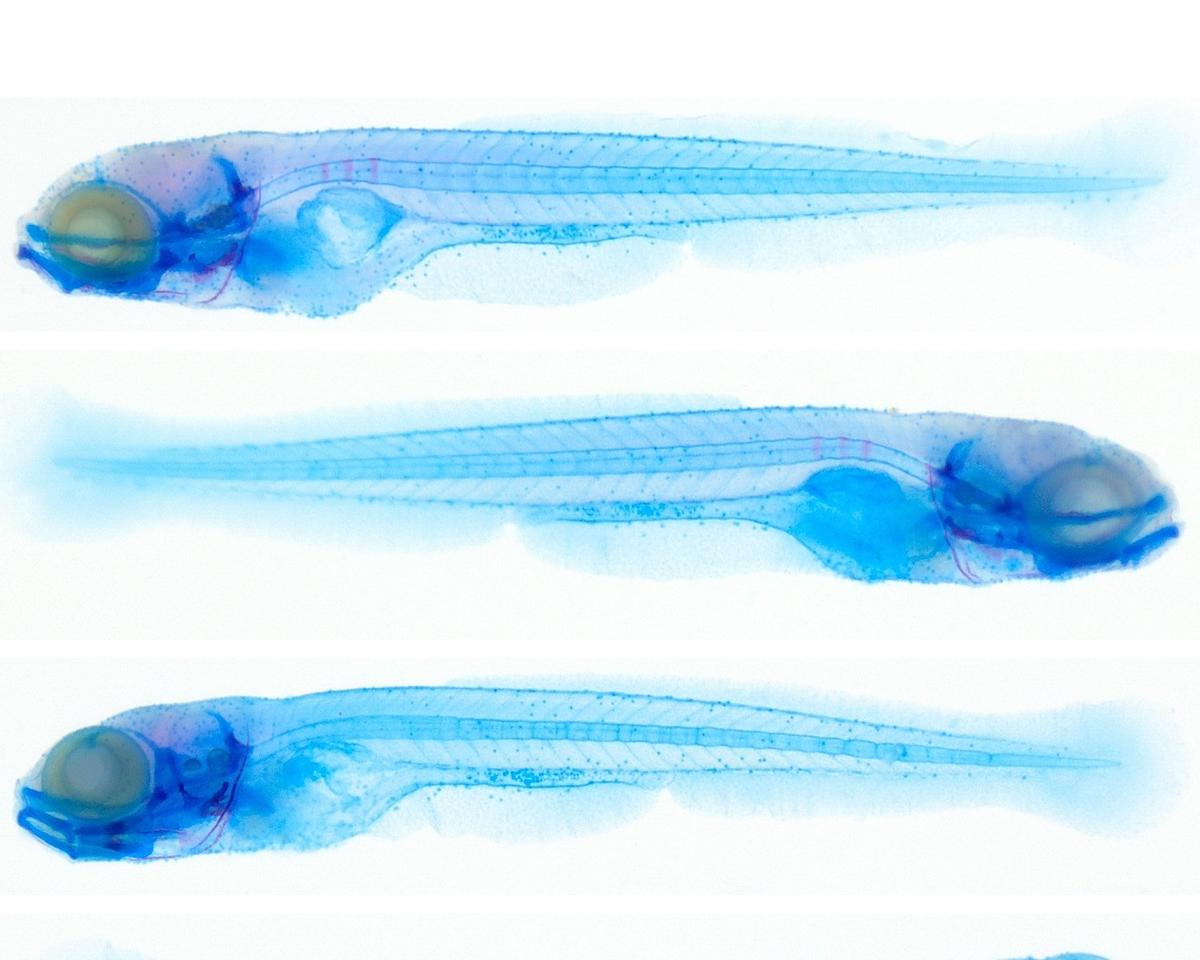
Utilizing CRISPR-Cas13d-knockdown in zebrafish to study a rare monogenic bone fragility syndrome

Sense of community and social participation underlying active aging among senior housing residents
As people live longer, many move into senior housing communities where they can receive support while maintaining independence. But what actually helps older adults stay active and engaged in everyday life? This study explored how a sense of community and social participation are linked to active aging among residents in senior housing.