Cognitive performance in late midlife as a predictor of frailty over 17 years: A longitudinal birth cohort study

Previous studies have shown that a higher level of frailty is associated with poorer global cognitive performance among older adults. However, it remains unclear whether this potential association is present already in late midlife and whether it depends on specific cognitive domains. We investigated whether cognitive performance in late midlife is associated with individuals becoming frailer from late midlife into old age and whether these associations differ by cognitive domain.
The study uses data from the Helsinki Birth Cohort Study and included participants with information on cognitive performance and Frailty Index (FI) (n=1,279, age-range 57–70 years). Reaction time and response accuracy in simple reaction time (SRT), choice reaction time (CRT), working memory (WM), divided attention (DA), and associated learning (AL) were assessed using the CogState assessment in late midlife (mean age 61.5 ± 2.9). A 41-item FI was assessed at three time points across 17 years. The data were analyzed using generalized linear mixed models adjusted for sex, education, and smoking.
The results showed that the higher FI level was associated with slower reaction time in late midlife in all domains except for SRT (p<0.001-0.04). Additionally, the higher level of FI was associated with lower CRT response accuracy among all participants (p=0.004) and in WM response accuracy among women (p=0.005) in late midlife. Furthermore, the higher annual rate of change in FI was associated with lower SRT response accuracy among all participants (p=0.003) and higher DA response accuracy among men (p=0.002).
A consistent association was observed between slower cognitive reaction time and higher FI levels. However, the association between cognitive response accuracy and FI in late midlife was dependent on the cognitive domain being measured. Furthermore, we showed a cognitive domain and trait-specific association between cognitive performance in late midlife and the development of FI.
Original article:
Cognitive Performance in Late Midlife as a Predictor of Frailty from Late Midlife into Old Age: A Longitudinal Birth Cohort Study.
Tirkkonen A, Haapanen MJ, Pajulammi H, Niku J, Jylhävä J, Mikkola TM, Kajantie E, Eriksson JG, von Bonsdorff MB. Gerontology. 2025.
Highlights 2025

Parenting style and practices can shape children's vegetable consumption
Children ate less vegetables when parents were more overprotective.

Myosin inhibition partially rescues the myofibre proteome in X-linked myotubular myopathy

Frailty outperforms conventional risk factors for predicting complications and death in type 1 diabetes
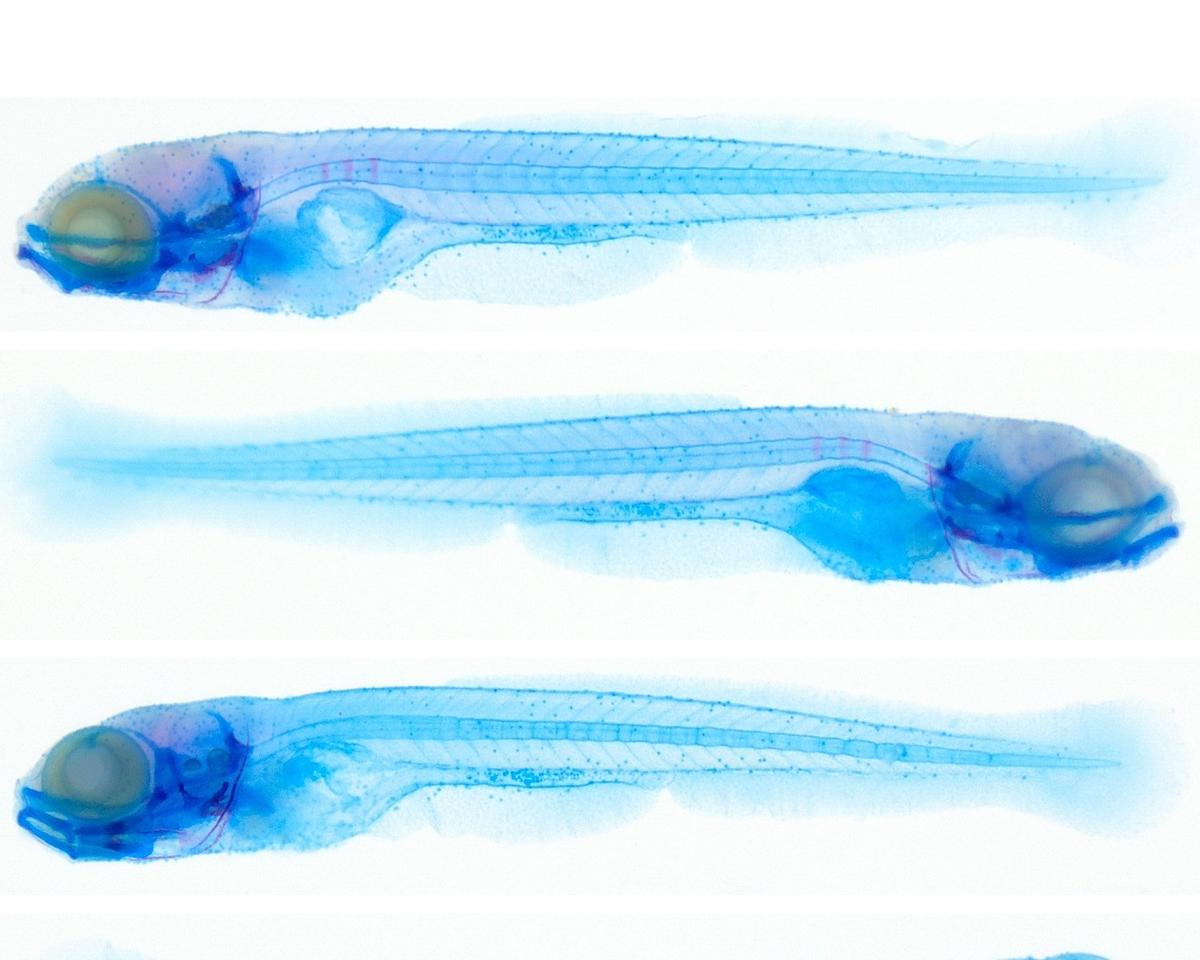
Utilizing CRISPR-Cas13d-knockdown in zebrafish to study a rare monogenic bone fragility syndrome
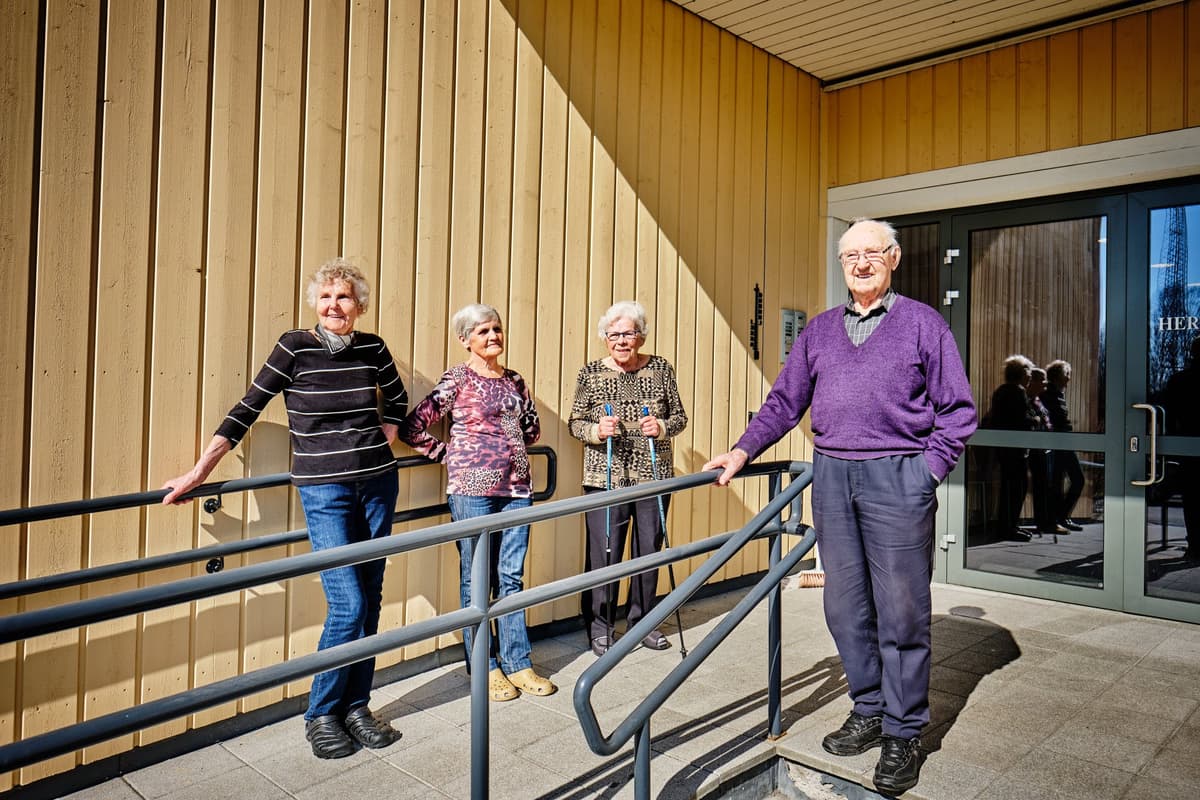
Sense of community and social participation underlying active aging among senior housing residents
As people live longer, many move into senior housing communities where they can receive support while maintaining independence. But what actually helps older adults stay active and engaged in everyday life? This study explored how a sense of community and social participation are linked to active aging among residents in senior housing.