Frailty outperforms conventional risk factors for predicting complications and death in type 1 diabetes

Frailty is a state of diminished physiological reserve leading to increased vulnerability and slower recovery from illness or injury. In this research article we explore the relationship between frailty and health outcomes in adults with type 1 diabetes, a disease associated with signs of accelerated biological ageing. By analyzing data from 4,819 participants over nearly 20 years, we aimed to understand whether frailty could predict diabetic complications and mortality more effectively than traditional risk factors.
The findings revealed that 33% of the adult participants (mean age 37 years) were non-frail, 54% pre-frail, and 13% frail, assessed using a frailty index. Frailty was closely linked to the presence and severity of diabetic kidney disease, which is a major driver of poorer outcomes related to type 1 diabetes. Irrespective of kidney disease, however, frailty strongly predicted adverse outcomes and outperfomed traditional risk factors. Frailty was associated with a 3–118-fold risk of the different diabetic complications, with frail participants experiencing these complications 2–6 years earlier than their non-frail counterparts. Moreover, frailty was associated with a 10-fold increase in all-cause mortality, reducing overall survival by approximately 4.5 years.
Our results suggest that incorporating frailty assessments into routine care could enhance risk stratification, help identify vulnerable individuals, and support personalized treatment plans for individuals with type 1 diabetes. Our study emphasizes the need for further studies to explore the clinical implications of frailty in this population and to develop tailored interventions that address the unique challenges faced by frail individuals with type 1 diabetes. Overall, the findings highlight frailty as an essential marker of vulnerability, underscoring its significance in managing health outcomes in adults living with type 1 diabetes.
Frailty outperforms conventional risk factors for predicting complications and death in type 1 diabetes.
Haapanen MJ, Jansson Sigfrids F, Ylinen A, Satuli-Autere S, Nicklén J, Groop PH, Harjutsalo V, Thorn LM. Diabetes Research and Clinical Practice. 2025.
Highlights 2025

Parenting style and practices can shape children's vegetable consumption
Children ate less vegetables when parents were more overprotective.

Myosin inhibition partially rescues the myofibre proteome in X-linked myotubular myopathy

Cognitive performance in late midlife as a predictor of frailty over 17 years: A longitudinal birth cohort study
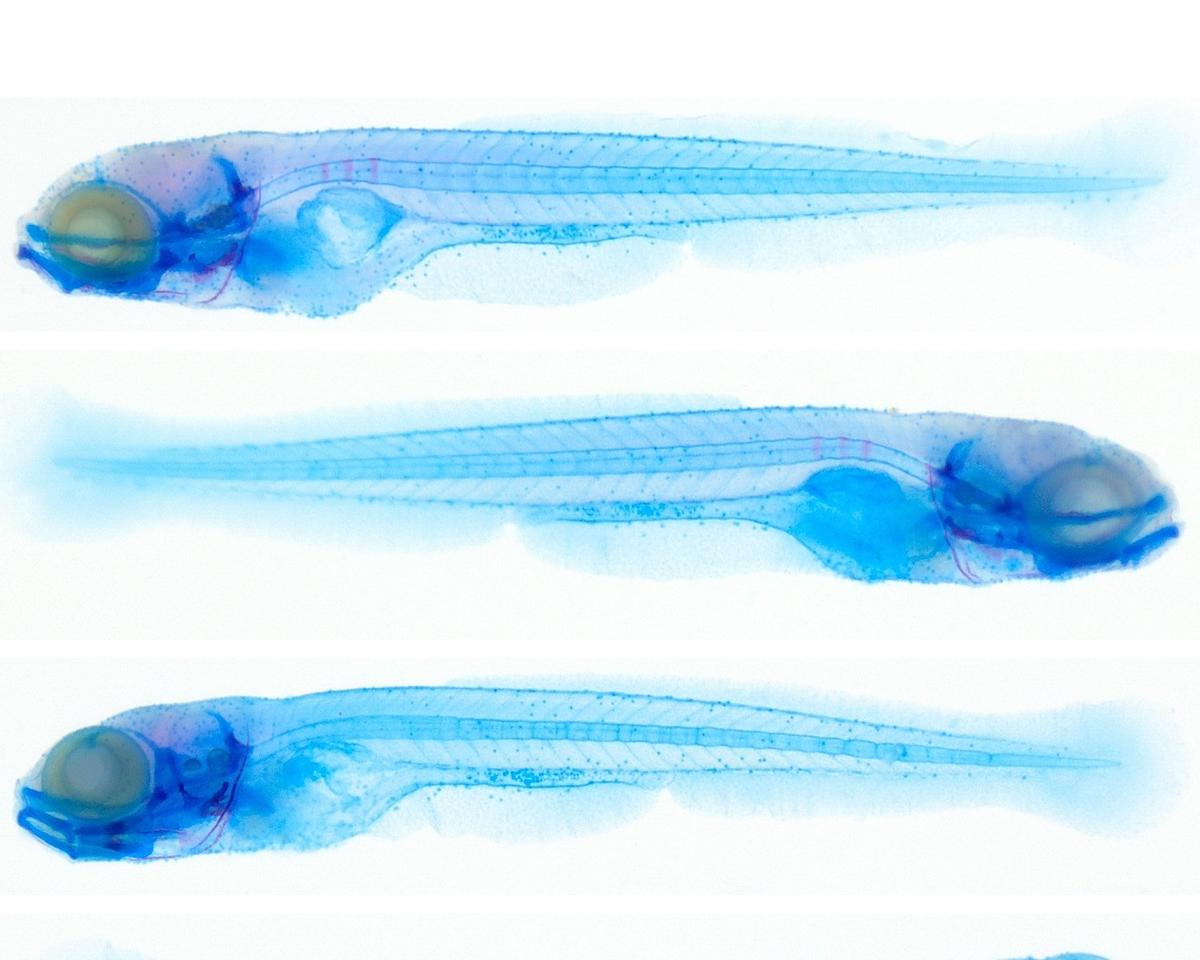
Utilizing CRISPR-Cas13d-knockdown in zebrafish to study a rare monogenic bone fragility syndrome
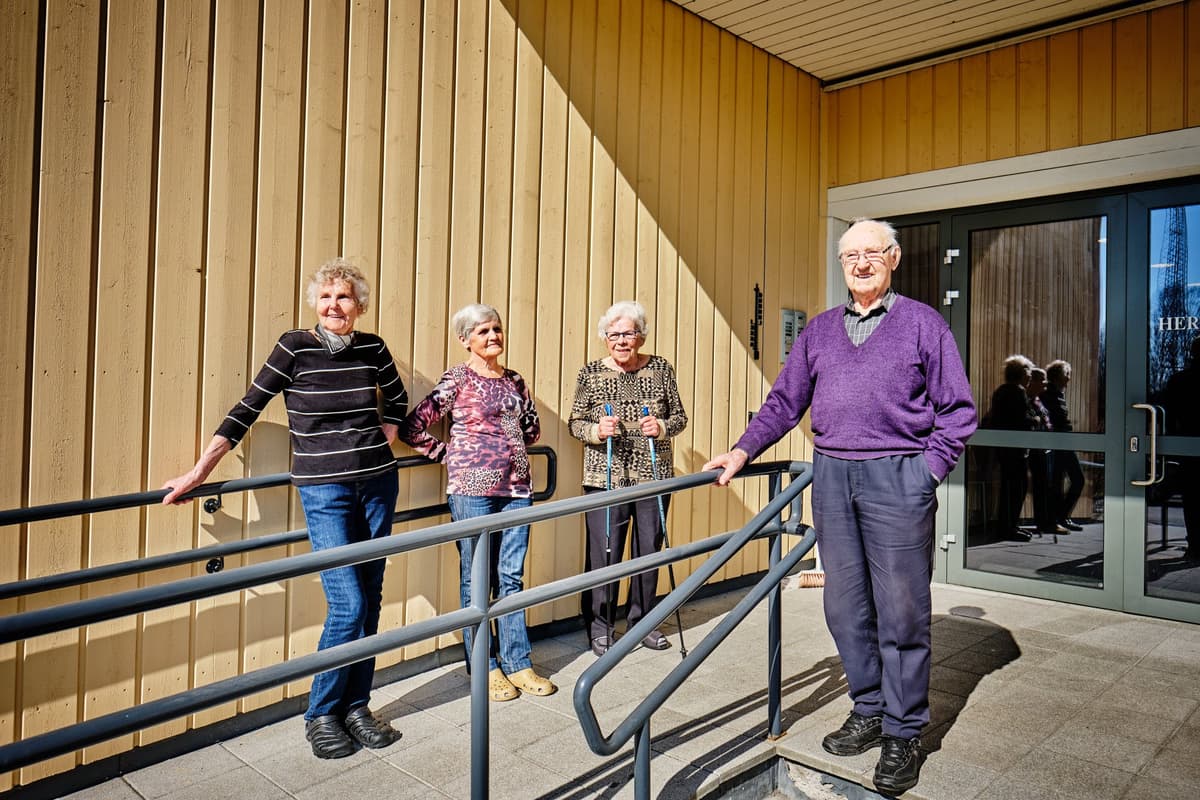
Sense of community and social participation underlying active aging among senior housing residents
As people live longer, many move into senior housing communities where they can receive support while maintaining independence. But what actually helps older adults stay active and engaged in everyday life? This study explored how a sense of community and social participation are linked to active aging among residents in senior housing.